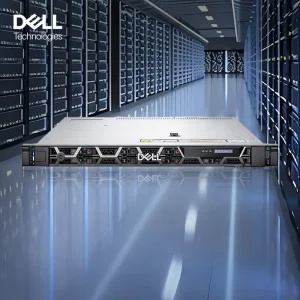
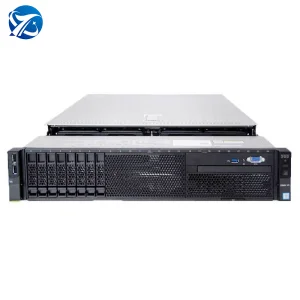
Industrial-grade servers optimized for custom open-source hypervisors, AI models, and enterprise database clustering.
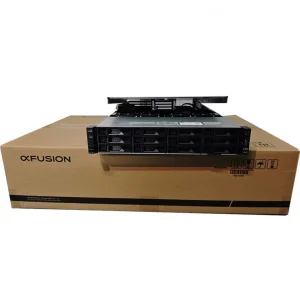
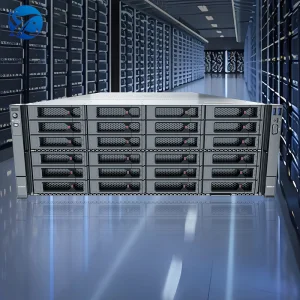
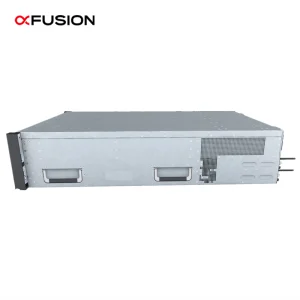
Modern cloud infrastructures demand rapid adaptability, custom kernel integrations, and zero vendor lock-in. As a premier partner for enterprise deployments, Shenzhen Tiansheng Cloud Technology Co., Ltd. (also operating globally as Nexa Technology Co., Ltd.) orchestrates the critical intersection between high-performance hardware platforms (such as Dell PowerEdge and xFusion / FusionServer) and tailored Open Source Software (OSS) systems.
By bypassing standard licensing boundaries and focusing on custom OEM software flashing, kernel optimizations, and modular hardware configurations, we empower engineers and enterprise buyers to extract maximum computing power per watt. This is the new gold standard in cost-effective global infrastructure deployments.
The convergence of open-source operating systems, hypervisors, and AI execution kernels represents the fastest-growing segment of hardware utilization. Standard proprietary firmware restricts customized CPU instruction set mappings and hinders granular power-saving adjustments. Below is our strategic development framework for Open-Source-Defined Hardware.
We replace proprietary Out-of-Band (OOB) management solutions with customized OpenBMC implementations. This ensures trust-free infrastructure control, eliminating hidden telemetry backdoors and giving data architects complete shell access to physical monitoring systems.
Deep learning networks like DeepSeek-V3 or Llama-3 demand custom CUDA runtime versions and deep kernel-level optimizations. Our integration stage pre-builds customized PyTorch / vLLM execution stacks within optimized enterprise distributions like Rocky Linux and Ubuntu Server.
Enterprise storage hardware is useless without flexible file structures. By custom configuring systems like Ceph, MinIO, or TrueNAS CORE directly onto bare metal arrays (using hardware like Dell PowerEdge R760xs or FusionServer 5288 V6), we eliminate high licensing overhead.
Every industry approaches computing infrastructure differently. A one-size-fits-all hardware approach leads to wasted capital expenditure or processing bottlenecks. We structure custom bare-metal templates optimized for specific industrial challenges.
Financial clusters require highly optimized hypervisors running kernel patches designed for ultra-low latency operations. Our custom server staging incorporates optimized network adapter drivers (DPDK) paired with Intel Xeon processors on Dell R660 platforms to guarantee sub-millisecond execution times without proprietary hypervisor tax.
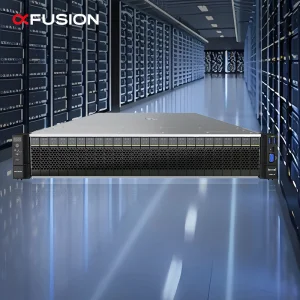
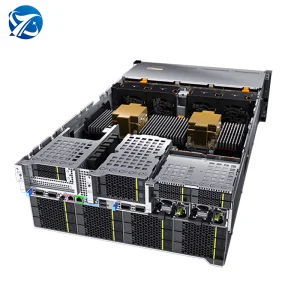
Training and deploying LLMs like DeepSeek-R1 requires multi-GPU arrays, rapid NVMe-over-Fabrics storage, and substantial RAM pools. We source and stage specialized GPU servers like the xFusion 2288H V7 or the FusionServer G5200 V5, matching them with open-source containerized workflows (Kubernetes + NVIDIA GPU Operator) for scale-ready deployments.
For organizations moving away from public cloud service billing structures, our software-defined hyperconverged infrastructure leverages Proxmox VE or OpenStack. We architect modular, scalable nodes using new and refurbished servers with redundant 10Gbps/100Gbps interfaces to support massive multi-tenant computing needs.
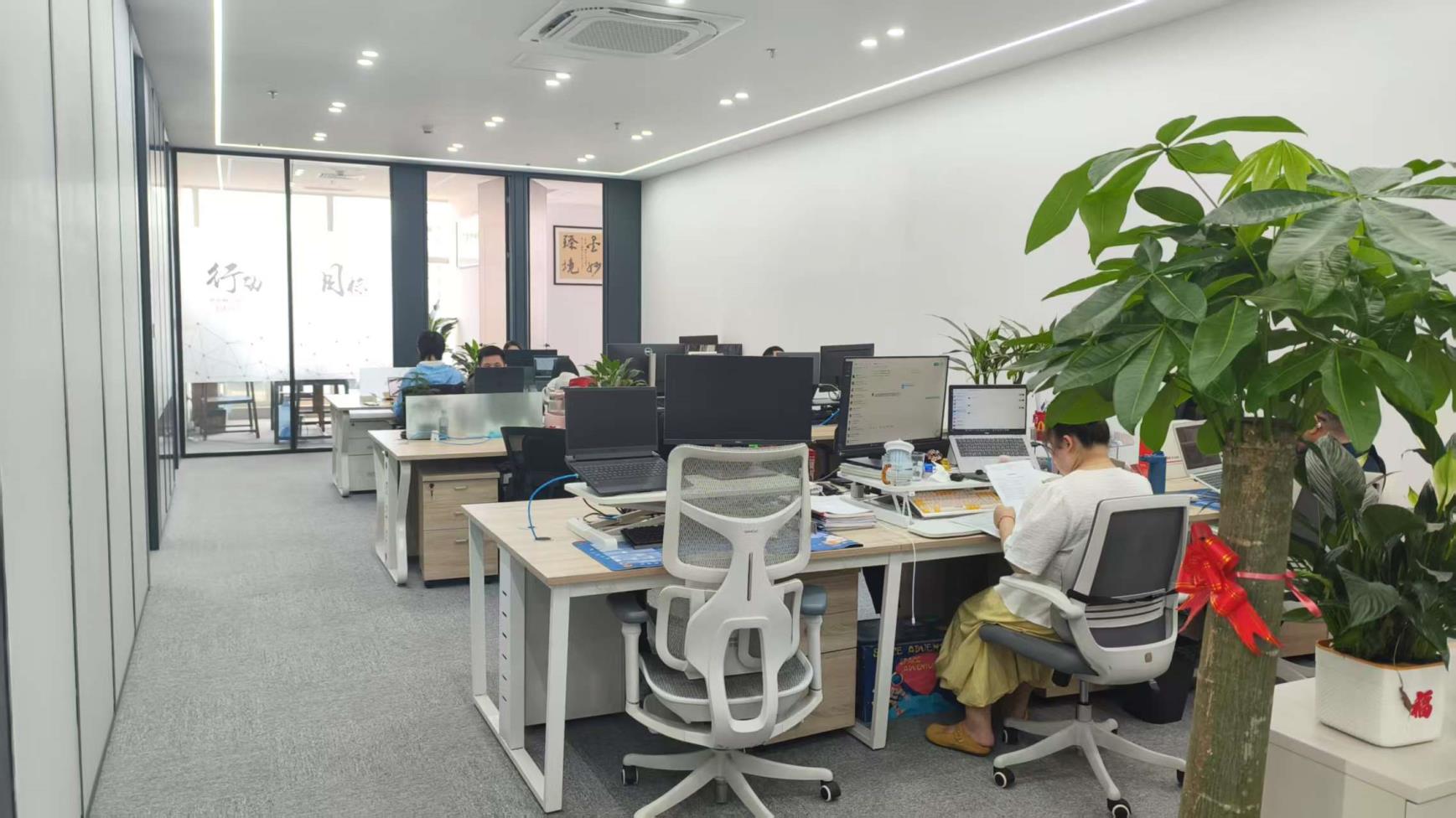
Nexa Technology Custom AI Server Assembly Line and QA Bench Testing
Operating a global data network requires navigating complicated international trade laws, custom specifications, and system integration standards. Our factory infrastructure ensures that every deployment is completely compliant with all geographical regulations.
Our engineers provide robust, pre-and-post-sales configuration assistance in five major languages: English, Spanish, Russian, French, and Portuguese. We communicate directly with your engineering leads to ensure that configuration requests match deployment realities.
All refurbished and custom OEM hardware modifications undergo strict compliance assessments. Our facilities and operations are fully audited and verified by Intertek, providing transparent international validation of our components and business practices.
We leverage Alibaba Trade Assurance and other secured transacting channels. This protects enterprise buyers from purchase to port, guaranteeing that technical specifications match the physical units received.
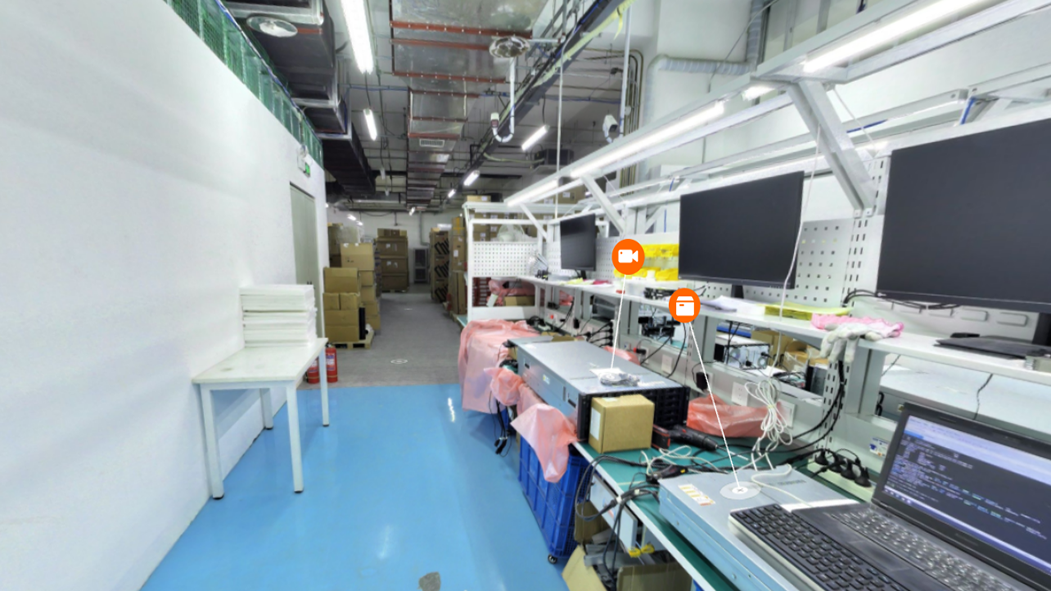
Shenzhen Tiansheng Cloud Technology Global Logistics Hub
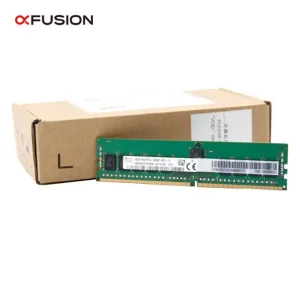
Located in the heart of China's technological hub, our Shenzhen facility leverages unmatched local hardware ecosystems. This physical proximity to component supply chains (such as DDR5 ECC memory modules, enterprise SAS drives, and server controller cards) allows us to assemble, customize, and deploy systems faster than conventional western integrators.
Enterprise procurement teams must balance hardware cost with system stability, warranty conditions, and software integration limits. When sourcing hardware optimized for open-source operating environments, use the following operational parameters:
Ensure the BIOS and BMC (Baseboard Management Controller) configurations do not contain proprietary locks. This allows system administrators to deploy custom OS configurations via PXE boot without bootloader restriction errors.
Mismatched PCIe bus allocations or system memory configurations can degrade storage or GPU network performance. Our factory-level assembly ensures memory ranks and drive controllers are structurally matched to maximize data flow.
Insist on IPMI 2.0 and Redfish API support. These protocols allow automated deployment tools (such as Ansible, Terraform, or SaltStack) to provision hardware in private cloud clusters securely.
High-capacity systems containing multiple GPUs or large NVMe arrays demand calibrated power supplies. We verify load demands and install high-efficiency, redundant PSUs (80 Plus Titanium/Platinum) to prevent core power dropouts during compute spikes.
Expert answers addressing server customization, firmware optimization, and global logistics for enterprise buyers.
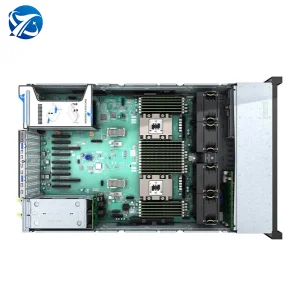
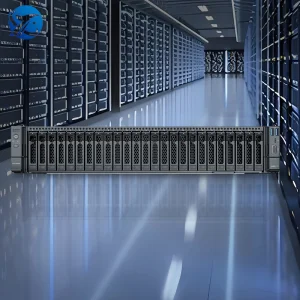
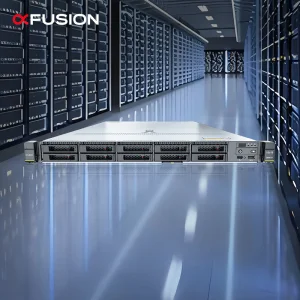
Enterprise rack platforms ready for scaling database systems, high-bandwidth web services, and virtual machine hosts.
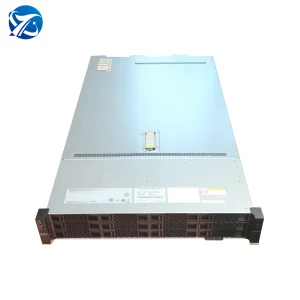
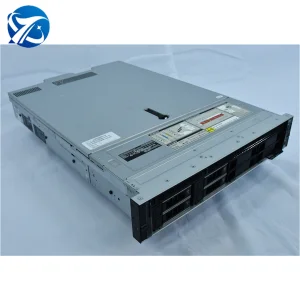
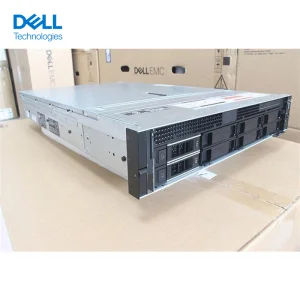
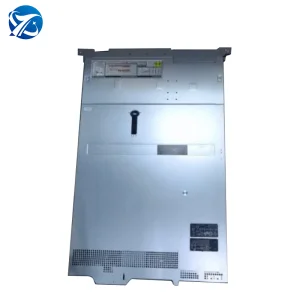
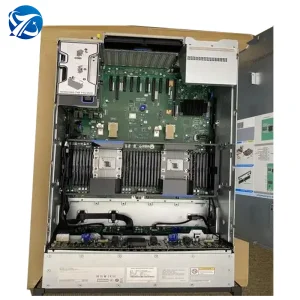
 Nexa AI Server