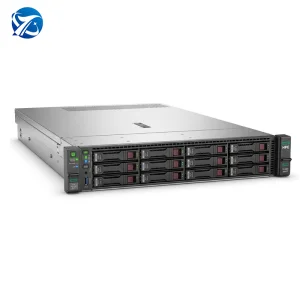
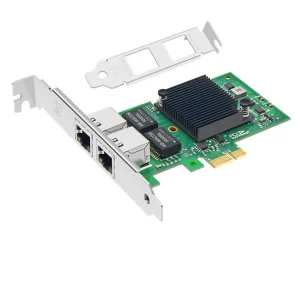
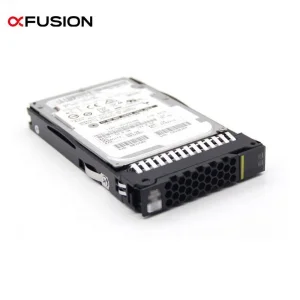
High-reliability server configurations, SSD expansions, and structural network controllers directly configured by industry specialists.
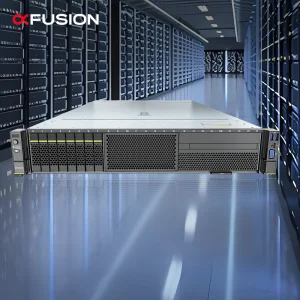
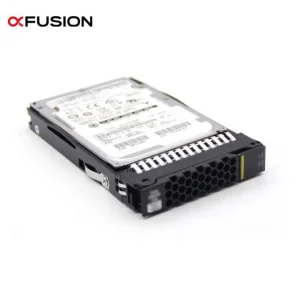
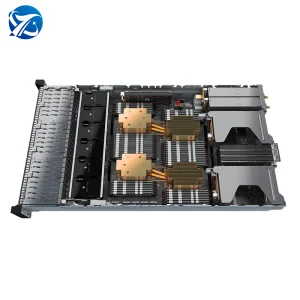
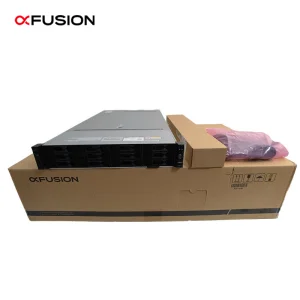
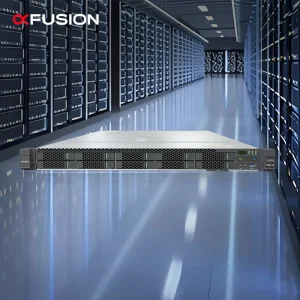
Modern telecommunications, enterprise computing, and hyper-scale artificial intelligence models are fundamentally constrained by one major bottleneck: inter-node network bandwidth. Network Interface Cards (NICs), once regarded as basic peripheral components responsible for converting system bus commands into Ethernet pulses, have underwent a radical paradigm shift. Today, the demands of machine learning inference (such as executing complex DeepSeek R1/V3 clusters), real-time financial auditing, and high-performance computing (HPC) have given rise to intelligent networking. SmartNICs and Data Processing Units (DPUs) now sit at the heart of modern datacenter infrastructure.
As enterprise operations transition to PCIe 4.0 and PCIe 5.0 architectures, standard NICs are replaced by specialized silicon optimized for offloading processing workloads. The network card is no longer just a transceiver; it is a co-processor. When deploying highly virtualized cloud environments or handling massive network-attached storage (NAS) write cycles, relying on the host CPU to process packet headers, manage TCP/IP stacks, and route storage traffic incurs a massive "hypervisor tax." SmartNICs bypass this by executing routing algorithms, firewall rules, and virtual switch operations directly on the network card's dedicated ARM cores or custom FPGA logic. This architectural optimization boosts overall system throughput, maximizes application efficiency, and drives down the total cost of ownership (TCO) for global operators.
Furthermore, the explosive growth of high-density storage arrays (utilizing high-capacity SAS/SATA drives and NVMe PCIe SSDs, such as the PM9A3 and SE005 series) requires network interfaces that can scale proportionally. Network architectures are moving towards converged networks where RoCEv2 (RDMA over Converged Ethernet) and InfiniBand coexist to provide low-latency, lossless network fabrics. For procurement directors, recognizing these underlying technological shifts is the first step in future-proofing hardware acquisitions.
Enterprise buyers from North America, Europe, and the Middle East operate under rigid technical compliance guidelines. Sourcing network adapters requires a meticulous match between system architecture and physical interface modules. The selection is typically categorized by transmission speed, physical interface type, and form factor:
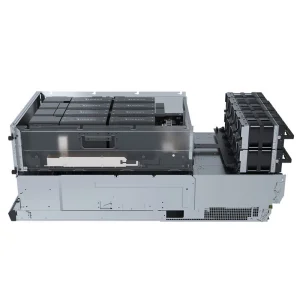
Equally critical is the mechanical interface. The industry is rapidly transitioning from traditional PCIe Add-in Cards (AIC) to the OCP 3.0 (Open Compute Project) NIC specification. OCP 3.0 network cards feature a pull-tab design that allows hot-swapping and tool-less maintenance from the rear panel of the server, significantly reducing maintenance downtime. Additionally, OCP 3.0 cards optimize airflow paths inside standard 1U and 2U rack mount enclosures (such as the HPE ProLiant DL380 or xFusion FusionServer series), helping companies meet strict green datacenter cooling regulations.
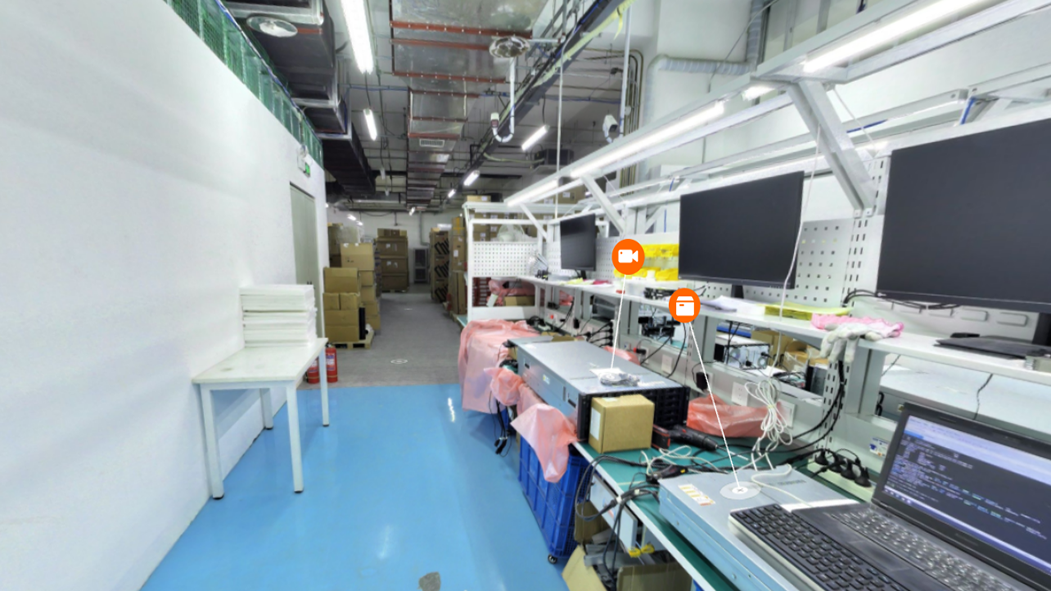
China has long moved beyond basic electronics assembly. The current wave of "Factory 4.0" automation in Shenzhen and neighboring technology hubs integrates AI-guided optical inspection (AOI), automated chip-mounting systems, and rigorous environmental stress screening (ESS) chambers. This ensures that network cards, server motherboards, and RAID controllers maintain a Mean Time Between Failures (MTBF) rating exceeding 200,000 hours.
Flexible manufacturing configurations allow buyers to request customized firmware profiles, thermal solutions, and component modifications matching their proprietary cloud kernels.
Production runs are certified by leading global bodies like Intertek, matching ISO 9001, CE, FCC, and RoHS standards to guarantee seamless custom clearance.
Eliminate risk through comprehensive transactional protection, ensuring security from fund transfer to final physical product verification.
Furthermore, China’s industrial ecosystem boasts unparalleled component availability. When sourcing multi-brand hardware integrations, companies like Shenzhen Tiansheng Cloud Technology Co., Ltd. (Nexa Technology) leverage direct supply lines to configure enterprise-grade systems quickly. Whether a client requires specific Intel-based Ethernet controller chips, Broadcom SAS controller chips (such as the 9540-8i RAID PCIE 4.0), or specific enterprise SSD modules, the local ecosystem minimizes sourcing delay. This level of responsiveness is crucial during global component shortages or sudden market demand spikes.
High-speed networking cards and configured servers are not static components; their performance varies significantly based on deployment conditions. Sourcing agents must choose configurations that fit specific use-cases:
Training large-scale deep learning models or executing low-latency generative AI inference requires massive GPU arrays connected via high-speed interfaces. High-end servers like the FusionServer G8600 V7 or xFusion 2258 V7 AI data servers utilize multi-port network adapters with PCIe Gen 5 compatibility to process distributed computing loads. By utilizing RoCEv2 protocols, GPU memories across different rack enclosures can talk directly to one another without suffering CPU interruptions. This dramatically lowers epoch execution times and guarantees optimal resource allocation.
For data-intensive corporate offices, automated archiving systems, and multimedia databases, storage bottlenecks are unacceptable. Pairing standard storage systems with reliable controller hardware, such as the 9540-8i 12G SAS RAID Controller Card, and combining them with Enterprise NVMe SSDs (like the Samsung PM9A3 series) ensures high read/write speeds. High-speed network interfaces act as the primary pathway, pushing this data out to the corporate network without bottlenecking the hardware's internal speeds.
Cloud service providers require servers configured to partition bandwidth dynamically among thousands of active virtual machine sessions. A cloud server like the xFusion 2288H V6 or the HPE ProLiant DL360 Gen11 handles these complex operations by running SR-IOV (Single Root I/O Virtualization) enabled network adapters. This standard allows a single physical PCIe device to appear as multiple virtual network adapters, permitting direct virtual-machine access and improving networking performance within the hosted cloud ecosystem.
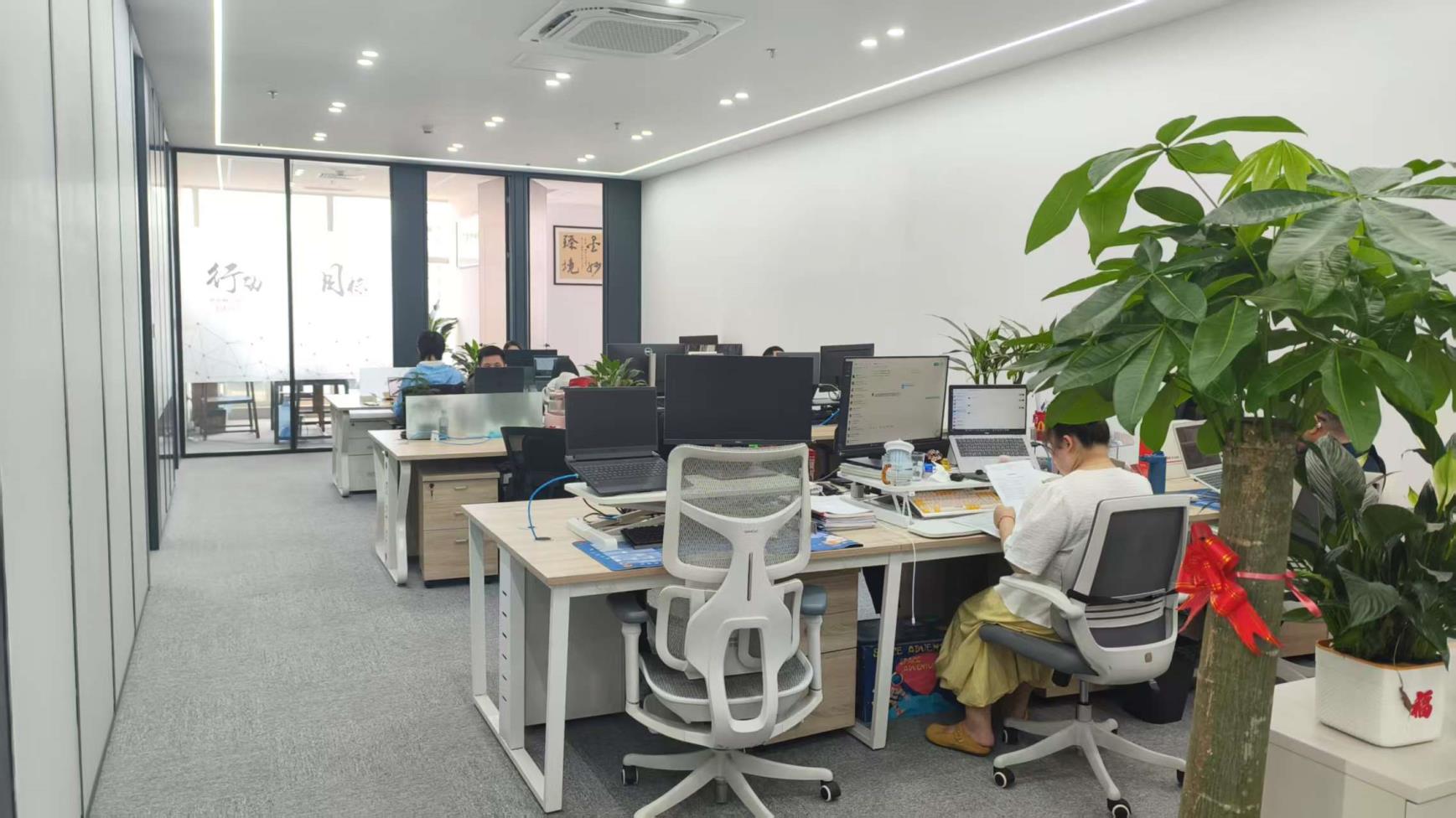
Operated internationally under the banner of Nexa Technology Co., Ltd., Shenzhen Tiansheng Cloud Technology Co., Ltd. is a highly specialized IT infrastructure distributor and enterprise systems integrator operating on Alibaba.com. Established in late 2024, the company was structured to bridge the gap between complex datacenter requirements and agile procurement solutions. Their operational center is located in Shenzhen, the tech capital of China, placing them at the epicenter of the global hardware manufacturing network.
Rather than providing fixed, off-the-shelf configurations, Tiansheng Cloud excels at "light customization." They acquire high-capacity hardware chassis from major industrial brands—including xFusion (FusionServer), Dell PowerEdge, and HPE—and configure them to order. Sourcing teams can request precise configuration upgrades: expanding NVMe-based flash arrays, increasing system memory (such as high-speed DDR5 ECC modules), installing hardware accelerators, and integrating high-performance network interface cards (NICs) customized to specific optical fiber architectures. This flexibility ensures that the delivered servers integrate immediately into existing datacenter environments.
Tiansheng Cloud is verified by leading testing agent Intertek, providing global buyers with peace of mind. To secure transactions, they offer full Alibaba Trade Assurance protection. Supporting businesses worldwide, they export to Eastern Europe, Southeast Asia, and the Middle East. They provide comprehensive pre-sales consultation and post-delivery tech support in English, Spanish, Russian, French, and Portuguese, maintaining an average response time of under 3 hours.
High-throughput servers and specialized caching components for datacenter networks, edge setups, and processing installations.
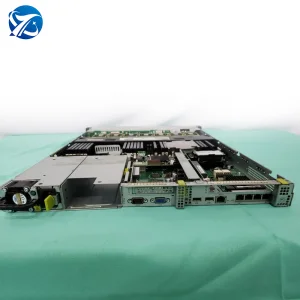
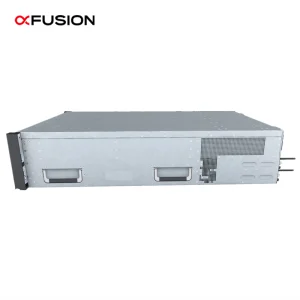
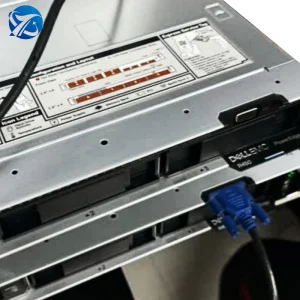
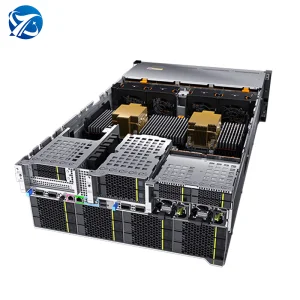
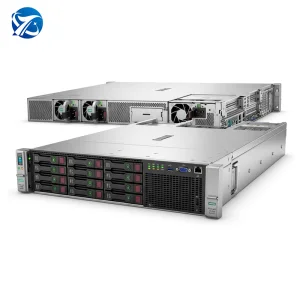
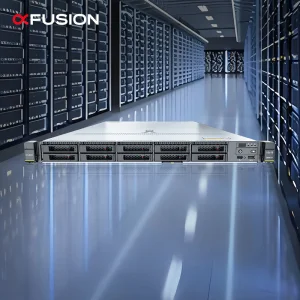
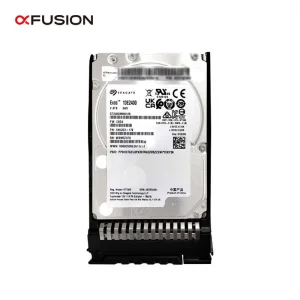
Transparent global delivery operations, audited product configurations, and verified trading credentials.
 Nexa AI Server