HPE Server Supplier & Suppliers Serving the Houston Market

Enterprise-Grade Infrastructure Solutions Tailored for Energy, Aerospace, and High-Performance Compute Hubs

Architecting Resilient Data Centers in the Houston Market

Executive Summary: As the commercial fabric of the Houston metropolitan area scales beyond traditional oil and gas boundaries into advanced bio-tech, deep space engineering, and artificial intelligence model optimization, the requirements for data center hardware have fundamentally shifted. This whitepaper analyzes the deployment criteria, thermal realities, security guidelines, and architectural profiles of high-density Hewlett Packard Enterprise (HPE) compute platforms within regional infrastructure grids.

1. The Industrial Dynamics of Houston's Local Enterprise Ecosystem

Houston, Texas stands as a unique economic engine. The demands placed on computational infrastructure here are dictated by highly specialized, high-consequence industries. Unlike general web hosting datacenters, the local deployments must handle:

  • Upstream Energy and Seismic Simulations: Massive vector-based dataset analysis requiring maximum floating-point performance (FLOPs) and rapid PCIe Gen 5 read/write architectures to interpret sub-surface geology.
  • Texas Medical Center (TMC) Research: Ultra-secure, low-latency clusters running AI inference on clinical imaging datasets, which demands strict alignment with HIPAA policies and robust multi-tenant encryption.
  • Aerospace & Defense Systems: Real-time simulations at the Edge. Computing hubs deployed near NASA-affiliated operations rely heavily on server configurations with redundant power supplies, thermal reliability under ambient loads, and immediate hardware failover mechanisms.

2. Technical Analysis: HPE ProLiant Gen11 vs. Gen12 Implementations

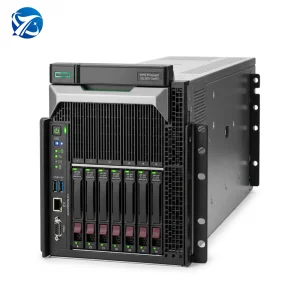
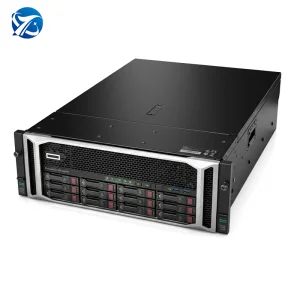
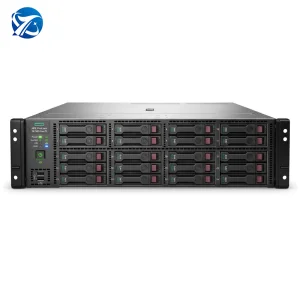
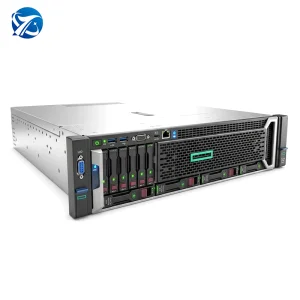
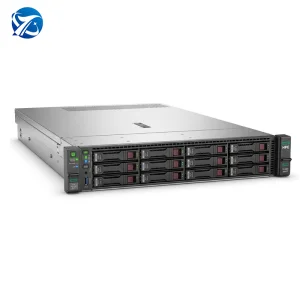
When provisioning hardware for these high-impact verticals, hardware selectors face choices between established architectures. The implementation of HPE ProLiant Compute DL360 and DL380 models provides the baseline infrastructure needed to support these local operations.

The ProLiant Gen11 Baseline

Utilizing 4th and 5th Gen Intel® Xeon® Scalable Processors, the HPE Gen11 family supports high memory densities (up to 8TB DDR5 RAM per node) and brings PCIe Gen 5 expansion slot capabilities. These systems are highly effective for virtualization layers, legacy ERP systems scaling across corporate networks, and mid-tier analytics engines. The Silicon Root of Trust embedded directly into the ASIC ensures boot-level security, safeguarding crucial corporate assets.

The Shift to HPE Gen12 Architecture

As organizations in Houston integrate foundational AI workflows and complex deep-learning applications, the ProLiant Gen12 steps forward. Boasting support for Intel Xeon 6 processors, these units scale core counts to up to 144 cores per socket. Thermal dynamics are managed via optimized air cooling chambers or liquid-cooling manifolds (such as those configured in specialized EDSFF arrays), ensuring sustained performance during intense computational spikes.

144
Cores Per Socket
8 TB
DDR5 Max RAM
PCIe 5.0
Bus Architecture
iLO 6
Management Engine

3. Global Supply Chain Capabilities: Shenzhen Tiansheng Cloud Technology Co., Ltd.

Serving the Houston marketplace requires more than local warehouse presence; it demands a resilient global supply chain. Shenzhen Tiansheng Cloud Technology Co., Ltd. (also operating globally as Nexa Technology Co., Ltd.) acts as a critical link, providing hardware verification and light customization services. Established in 2024 as a verified supplier on Alibaba.com (audited by Intertek), the firm coordinates supply pathways to ship configured rack systems directly to major deployment sites.

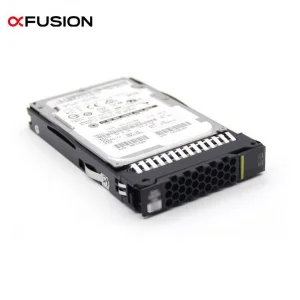
Every system built by Shenzhen Tiansheng Cloud undergoes strict quality testing prior to dispatch. Client configurations can be custom-tailored with specific enterprise components, including 12Gb/s SAS controllers, NVMe arrays, and dedicated GPU acceleration cards. With Trade Assurance guarantees and rapid translation/technical support teams, North American enterprises can reliably source hard-to-find components and high-density compute options.
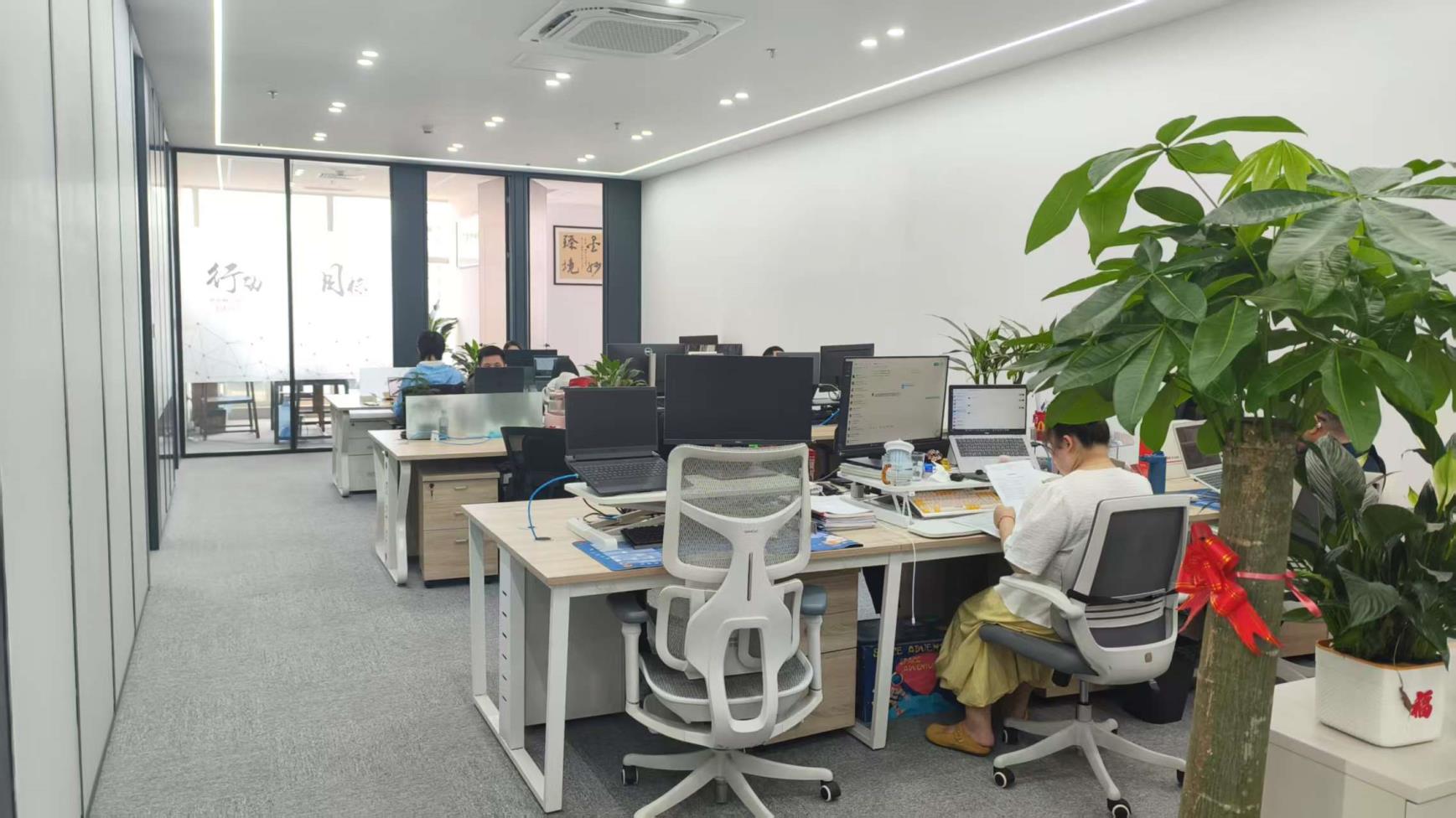
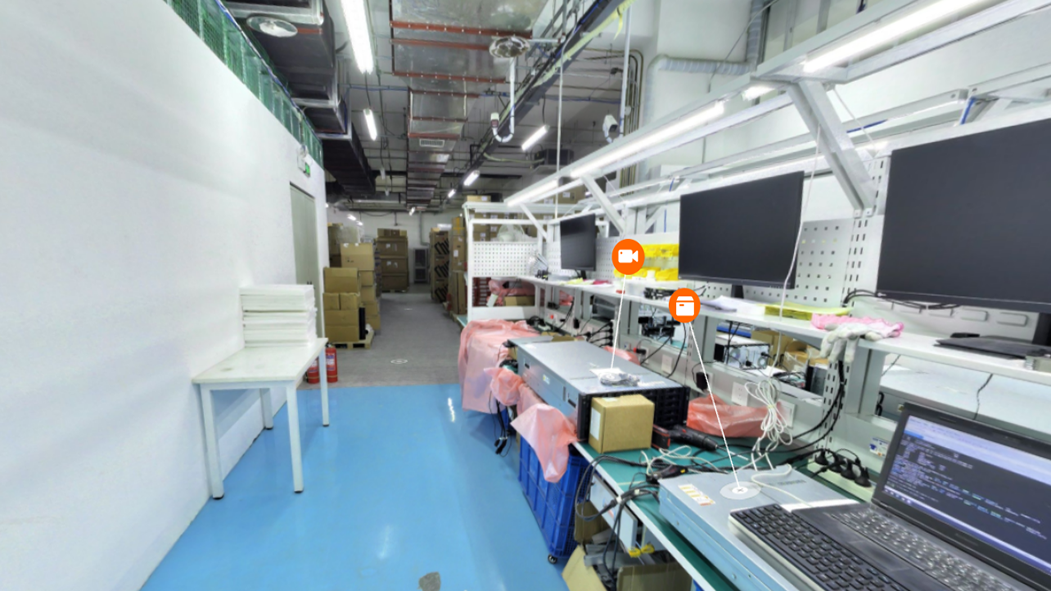
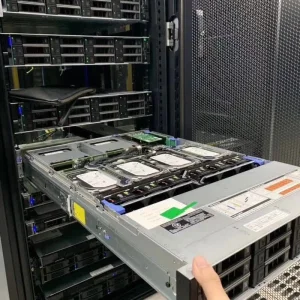
Server Quality Inspection Process Enterprise Server Assembly and Customization

4. Local Application Scenarios & Engineering Practices

To successfully integrate HPE servers in coastal industrial settings like Houston, engineering teams must account for environmental and localized electrical grid variables:

  • Thermal Resilience & HVAC Scaling: Houston's high ambient humidity and temperature profile require enterprise servers with dynamic thermal regulation. The HPE DL360 Gen12 liquid cooling configuration helps prevent regional data centers from facing critical thermal throttling events.
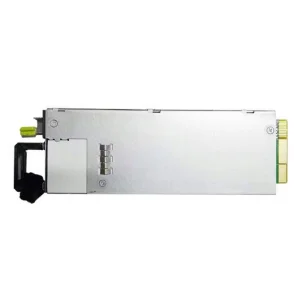
  • Power Line Redundancy: Industrial campuses utilize server hardware featuring dual, hot-plug titanium-grade power supplies (such as 2000W or HVDC modules) to guarantee system uptime even when switching to back-up diesel or battery microgrids.
  • AI and Deep Learning Edge Nodes: Deploying deep learning applications near operations centers requires systems configured with multi-GPU slots. High-density, multi-drive arrays process local operational decisions on-site, minimizing latency by avoiding continuous loops back to centralized clouds.

5. Technical Roadmap & Future Proofing

Modernizing data architecture requires a three-to-five-year vision. As machine learning models transition from cloud-only resources to local private infrastructures, the necessity for hybrid compute builds becomes critical. By planning deployments around standardized form factors like HPE 1U and 2U nodes, engineering teams can upgrade storage from SATA HDDs to NVMe-based systems over time. Transitioning to PCIe Gen 6 and high-density cooling prepares physical sites for upcoming computing demands.

E-E-A-T Supplier Profile

  • Verified Supplier (Alibaba / Intertek Audited)
  • Trade Assurance Transaction Protection
  • Custom Engineering & Hardware Config
  • Global Supply Network (USA, EU, APAC)
  • Support Response Under 3 Hours

HPE Server Architecture & Regional Support FAQs

Expert answers addressing hardware configurations, regional delivery protocols, and optimization guidelines.

Q1: Can Shenzhen Tiansheng Cloud custom-configure HPE servers before shipping to the Houston region?
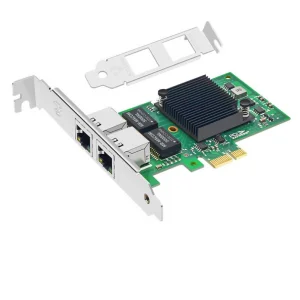
Yes. We offer light customization services based on client specifications. This includes installing particular memory profiles (DDR5), specific network interface cards (NICs), SAS/SATA RAID configurations, or AI acceleration modules. Every machine is fully updated and tested for performance before dispatch.
Q2: How do HPE ProLiant DL380 Gen12 servers manage thermal loads in high-density installations?
The HPE DL380 Gen12 servers feature dynamic thermal design configurations. With optimized chassis design, modular fan cages, and advanced sensor suites via iLO 6, they regulate airflow based on workload demand. For extra-dense environments, there are specific liquid-cooling options and EDSFF form factor setups designed to maximize performance per watt.
Q3: What security features protect sensitive intellectual property, such as proprietary oil and gas reservoir models?
HPE's Silicon Root of Trust provides boot-level protection by burning firmware verification security keys directly into the ASIC chip. Together with iLO 6 platform protection, firmware integrity is validated throughout the server lifecycle, protecting against compromised code at the physical layer.
Q4: Are these servers compatible with standard data center racking configurations?
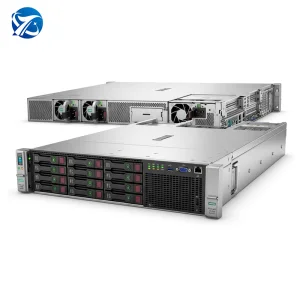
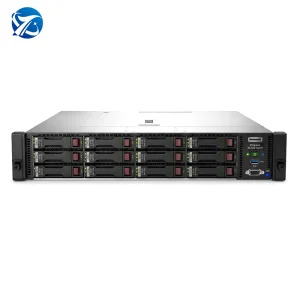
Yes, our rack-optimized 1U (like DL360) and 2U (like DL380) servers fit seamlessly into standard 19-inch server racks. We supply appropriate slide-rail kits and cable management solutions to ensure straightforward installation and maintenance access.
Q5: How is import safety and product authenticity guaranteed for international clients?
We operate under Trade Assurance protocols via Alibaba.com and have completed verified supplier audits by Intertek. Every server shipped is fully documented with component serial numbers, and client verification logs are generated before dispatch to ensure product authenticity.