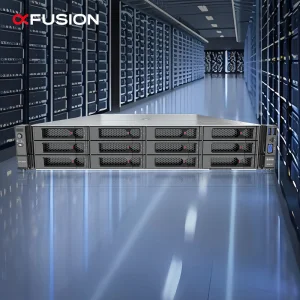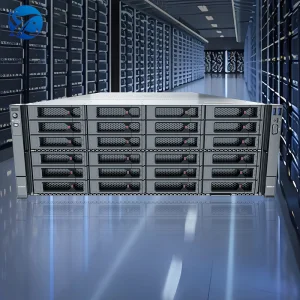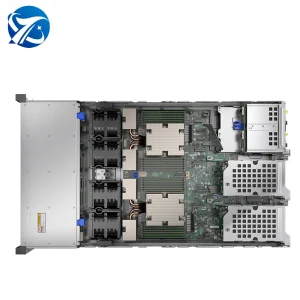
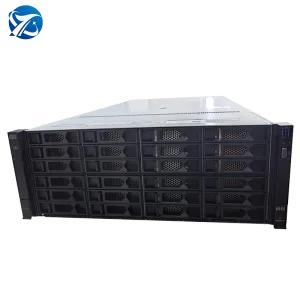
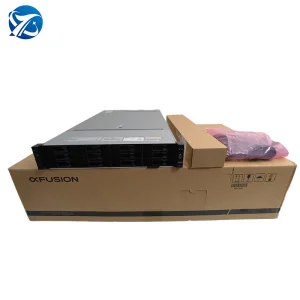
Strategic Overview: As Tokyo expands its footprint in the artificial intelligence landscape, local enterprises require high-performance, energy-efficient servers. The FusionServer V7 architecture provides the backbone for these demands, combining Intel® Xeon® Scalable processors with PCIe Gen 5 and advanced cooling. Our direct factory channel links manufacturing hubs in China to Tokyo's key data center clusters.
Tokyo is a leading financial and technological center, housing major operations in areas like Chuo, Minato, and Otemachi, alongside growing data center hubs in Inzai (Chiba Prefecture). This concentration demands robust computing power. Financial algorithms, autonomous vehicle training, and real-time processing require high-performance, low-latency infrastructure.
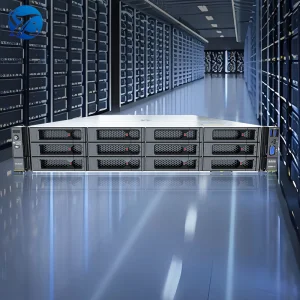
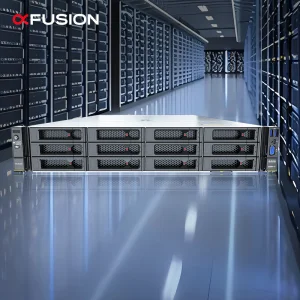
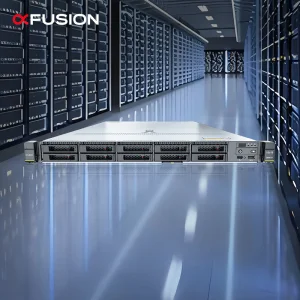
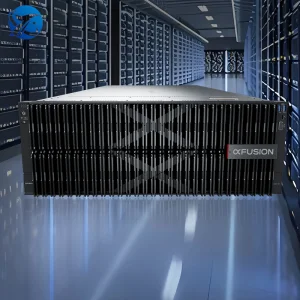
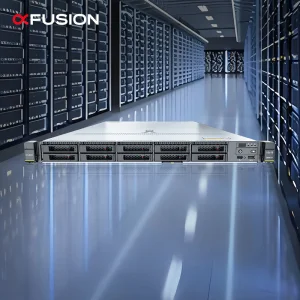
The adoption of large language models, including localized Japanese LLMs and DeepSeek frameworks, has shifted focus toward hardware configured for specific AI inference and training. In Tokyo's dense urban environment, space and power utilization are critical metrics. Deploying V7 rack servers, such as the 1U 1288H V7 or 2U 2288H V7, allows operators to maximize computing capacity per rack unit while managing thermal output.
Enterprise IT continues to transition toward heterogeneous computing. Modern V7 rack servers are designed for multi-workload processing, supporting traditional databases, virtualization, and GPU-driven AI applications.
Key features of these configurations include:
The production of V7 rack servers leverages advanced manufacturing ecosystems. Based in Shenzhen, China's tech corridor, Shenzhen Tiansheng Cloud Technology Co., Ltd. (operating globally as Nexa Technology Co., Ltd.) manages custom configuration and quality control workflows.
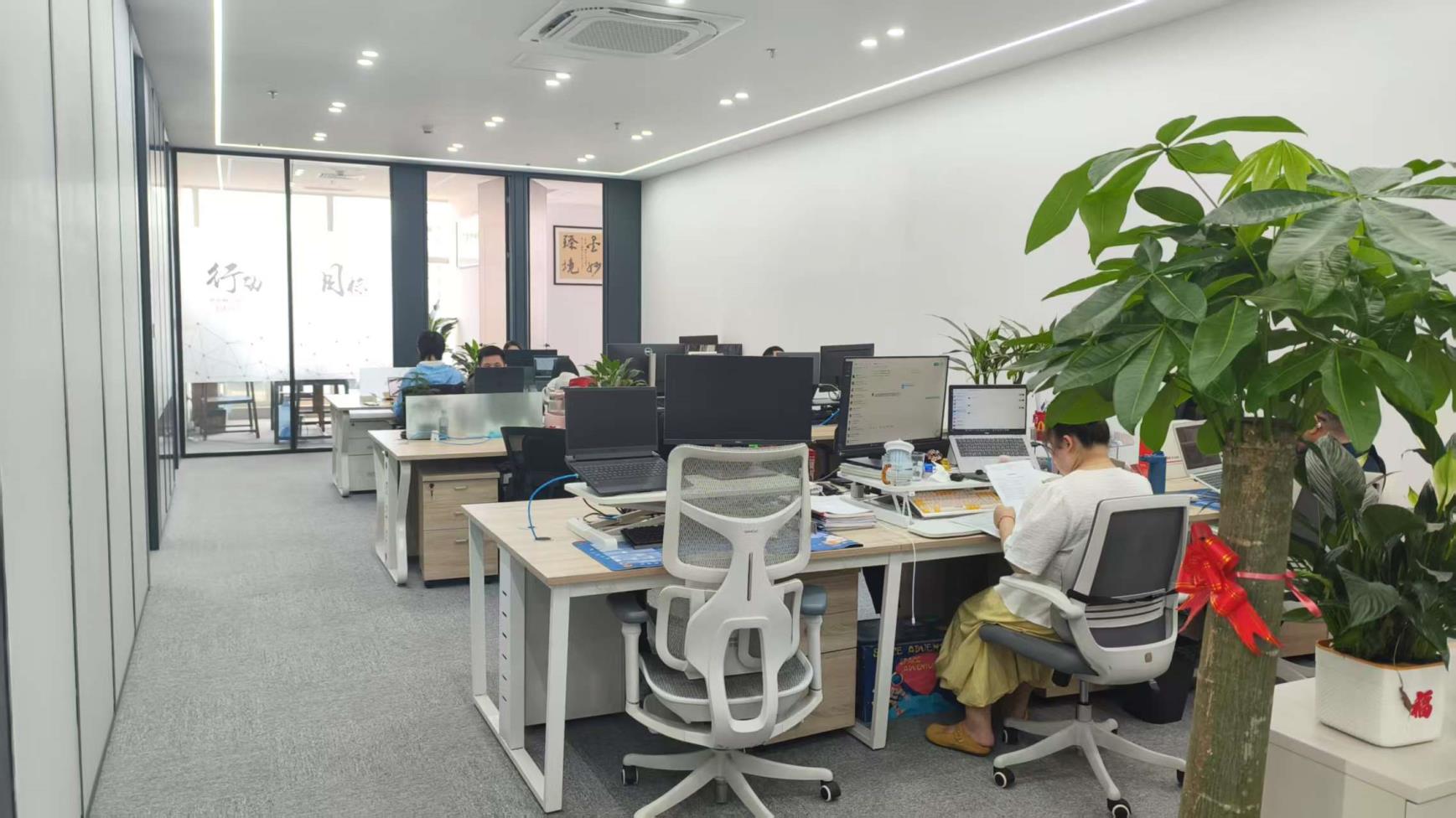
Established as an enterprise supplier, the company focuses on configuring and distributing server solutions. Verified by Intertek, the company offers tailored server configurations, component testing, and technical support.
By offering custom configuration services, we help clients adapt standard V7 systems to specific deployment requirements, whether for local Tokyo operations or international data center setups.
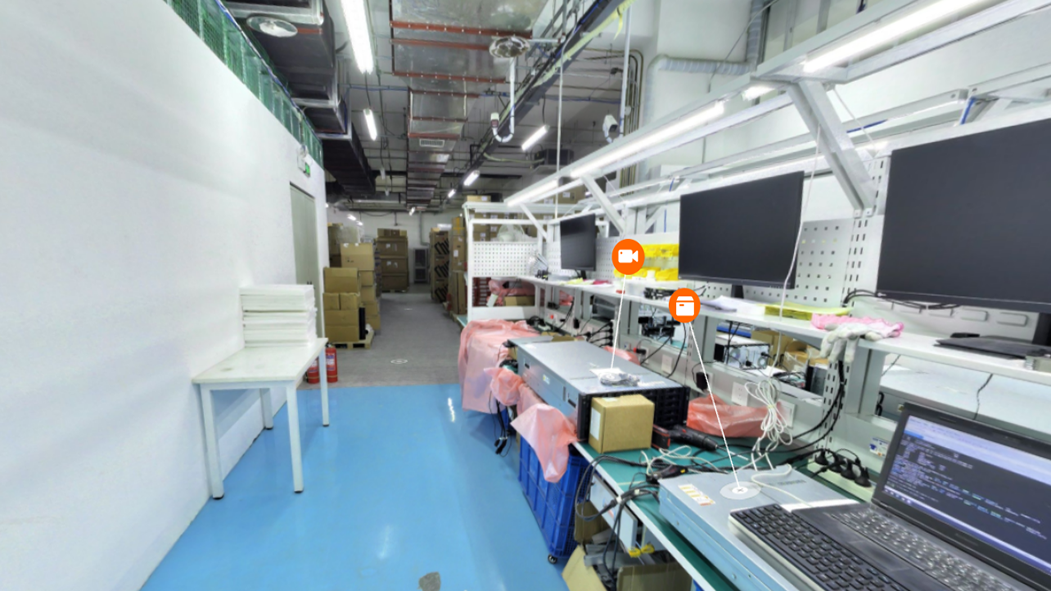
Our manufacturing and integration facilities feature:
| Server Model | Form Factor | Processor Compatibility | Drive Bays & Storage Options | Target Workload / Tokyo Use Cases |
|---|---|---|---|---|
| FusionServer 1288H V7 | 1U Rackmount | Dual Intel Xeon Scalable (Gen 4/5) | Up to 10 x 2.5" NVMe / SAS / SATA | Virtualization, Web hosting, High-density cloud deployments |
| FusionServer 2258 V7 | 2U Rackmount | Dual Intel Xeon Scalable | Up to 12 x 3.5" or 25 x 2.5" | Enterprise applications, AI inference, hybrid storage arrays |
| FusionServer 2288H V7 | 2U Rackmount | Dual Intel Xeon (High TDP) | Diverse drive configurations (LFF/SFF) | Hyperconverged Infrastructure (HCI), database processing |
| FusionServer G8600 V7 | 8U Rackmount | Dual Processors + 8 x High TDP GPUs | High-speed NVMe flash array | Deep learning training, heavy AI inference, molecular modeling |
Operational requirements vary across Tokyo's business sectors, demanding specific hardware choices:
Financial institutions require minimal latency and reliable processing. Utilizing the 1U 1288H V7 server configured with high-frequency processors and solid-state NVMe drives helps optimize transaction processing speeds.
Smart manufacturing and port operations require localized computing. V7 servers equipped with GPU accelerators process video feeds and telemetry data on-site, reducing reliance on remote cloud platforms.
Academic and scientific calculations require substantial computational capability. The 8U G8600 V7, featuring multi-GPU configurations, supports heavy workloads like climate simulation and deep learning research.
Consult with our systems engineers to customize your server memory, storage, and GPU configurations for deployment in Tokyo or globally.
Send Inquiry Now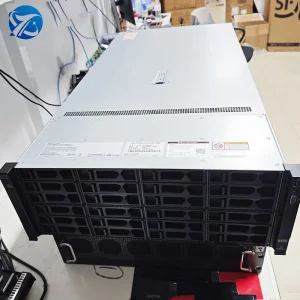
 Nexa AI Server