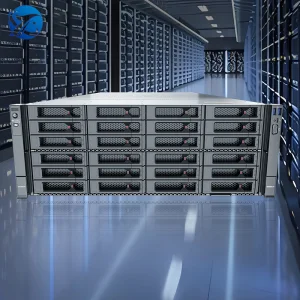
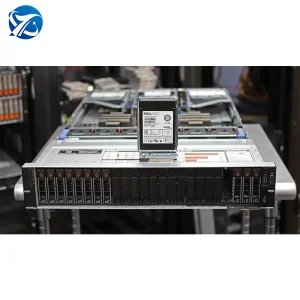
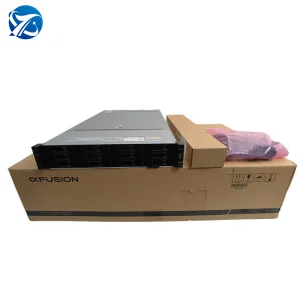
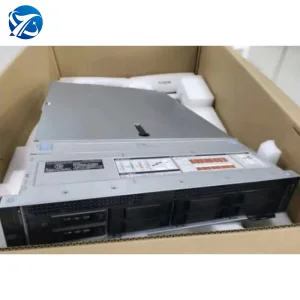
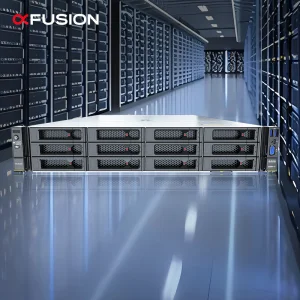
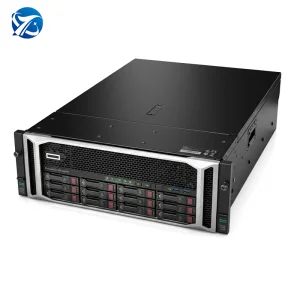
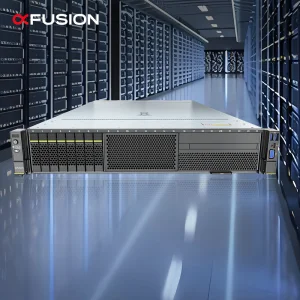
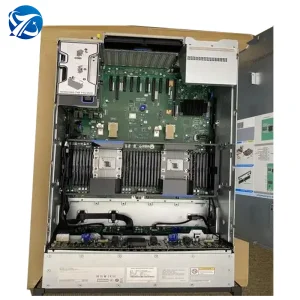
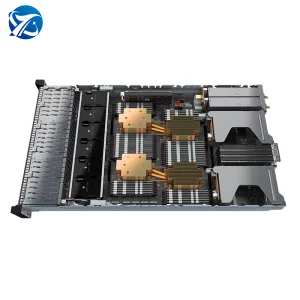
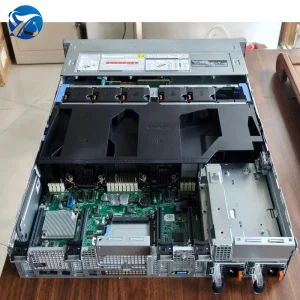
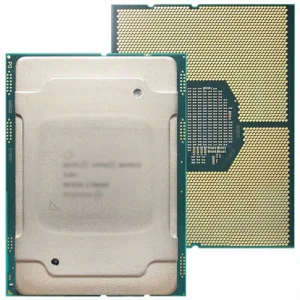
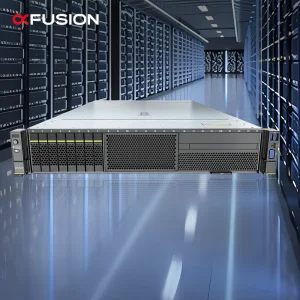
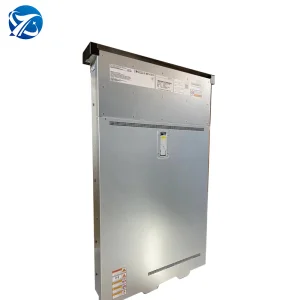
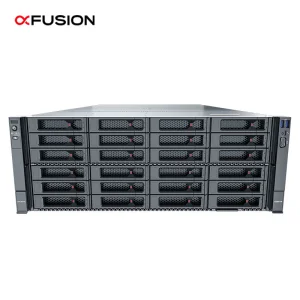
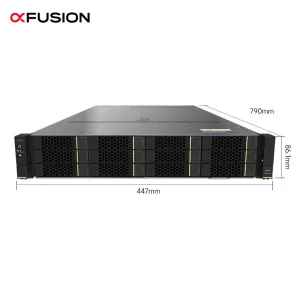
In the rapidly advancing era of generative AI, high-performance computing (HPC), and hyper-scale datacenters, the definition of User Experience (UX) Design has transcended the digital viewport. For server infrastructure, UX is fundamentally tied to physical maintainability, thermal dynamics, structural logic, and intelligent out-of-band firmware orchestrations. OEM/ODM design suppliers play a critical role in engineering computing machines that minimize deployment frictions, maximize uptime, and deliver tactile reliability for datacenter operators.
Modern computing clusters host heavy workloads, including large language models like DeepSeek R1 and extensive enterprise databases. As a consequence, hardware complexity has risen exponentially. A system's physical configuration directly impacts its total cost of ownership (TCO) and operational efficiency. Thus, professional OEM/ODM suppliers focus their design priorities on tool-less chassis mechanisms, clear visual diagnostic signaling, and intuitive component layout paths. By bridging complex electrical engineering with human-centric hardware layouts, modern exporters enable seamless enterprise deployments.
Enterprise infrastructure layout has evolved to meet the demands of edge applications, hyper-dense container environments, and high-frequency workloads. Key user experience design trends currently guiding the OEM/ODM landscape include:
Simplifying physical maintenance is paramount. Modern designs incorporate color-coded blue touchpoints indicating hot-swappable fans, drive carriers, and power supplies. This allows technical teams to execute maintenance actions without powering down the host or relying on specialized tools.
Integrating OLED status screens onto the front bezel of rackmount units gives system administrators immediate insights into IP addresses, temperature readings, and active error codes. This physical UI reduces troubleshooting steps and enhances overall serviceability.
Chassis interior airflow design is optimized using computational fluid dynamics (CFD). Strategic ducting and intelligent fan-speed curves reduce acoustic fatigue in localized testing environments while maintaining safe operating ranges for multi-GPU arrays.
Procurement agents, system integrators, and data center architects face diverse challenges when sourcing enterprise hardware globally. The ideal OEM/ODM supplier must address specific operational expectations:
Standard out-of-the-box servers rarely satisfy localized infrastructure goals. Enterprises require suppliers who provide customized component matching, enabling fine-tuning of CPU cores, DDR5 memory capacities, NVMe SSD storage write limits, and dedicated GPU acceleration cards. Whether using HPE, Dell PowerEdge, or FusionServer/xFusion chassis, custom configurations align hardware directly with specific application requirements.
Reliability in high-performance computing requires verified hardware sourcing. System integrators seek manufacturers and distributors with rigorous testing processes and verified supply chain structures. Utilizing third-party verifications (such as audits conducted by Intertek) and secure escrow payment methodologies (such as Alibaba Trade Assurance) reduces risk and ensures standard component authenticity.
Enterprise compute targets range from high-density database management to AI inference and deep learning. Addressing these requires dedicated, application-specific system configurations:
For workloads like DeepSeek R1 optimization, high-capacity 2U and 4U GPU servers (such as the xFusion G5500 V7) are designed to accommodate multiple double-wide accelerator boards. These configurations feature dedicated PCIe expansion pathways and robust power supplies to manage peak transient loads during neural network calculations.
Web servers and cloud databases demand rapid I/O operations and low latency. Utilizing 2-socket platforms like the Dell PowerEdge R750 or R760, configured with high-performance NVMe SSDs and high-capacity system memory, provides the necessary throughput for real-time transactions.
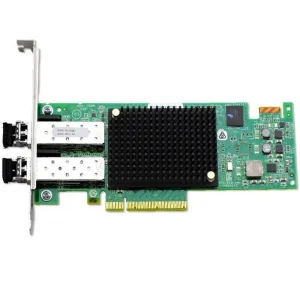
Reliable cluster communication depends on high-throughput interfaces. Incorporating high-performance HBA cards (e.g., Emulex LPE35000 FC 32Gb/s SFP28) ensures low latency and high bandwidth, preventing system bottlenecks in multi-node configurations.
Shenzhen Tiansheng Cloud Technology Co., Ltd. (operating globally as Nexa Technology Co., Ltd.) is an established hardware supplier specializing in the distribution and configuration of enterprise-grade server systems. Established in late 2024, the company focuses on providing high-performance computing hardware to wholesalers, system integrators, and engineers worldwide.
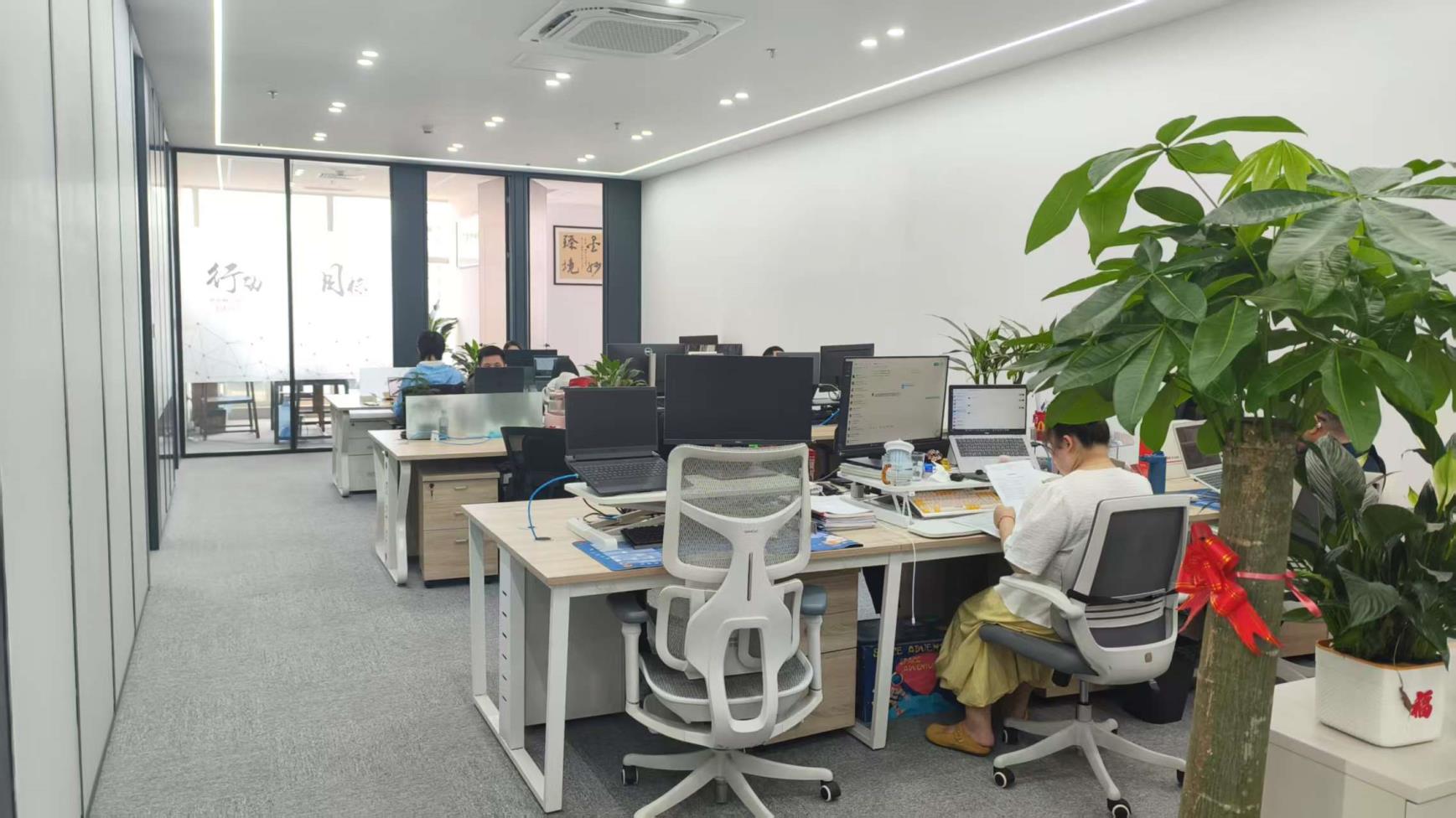
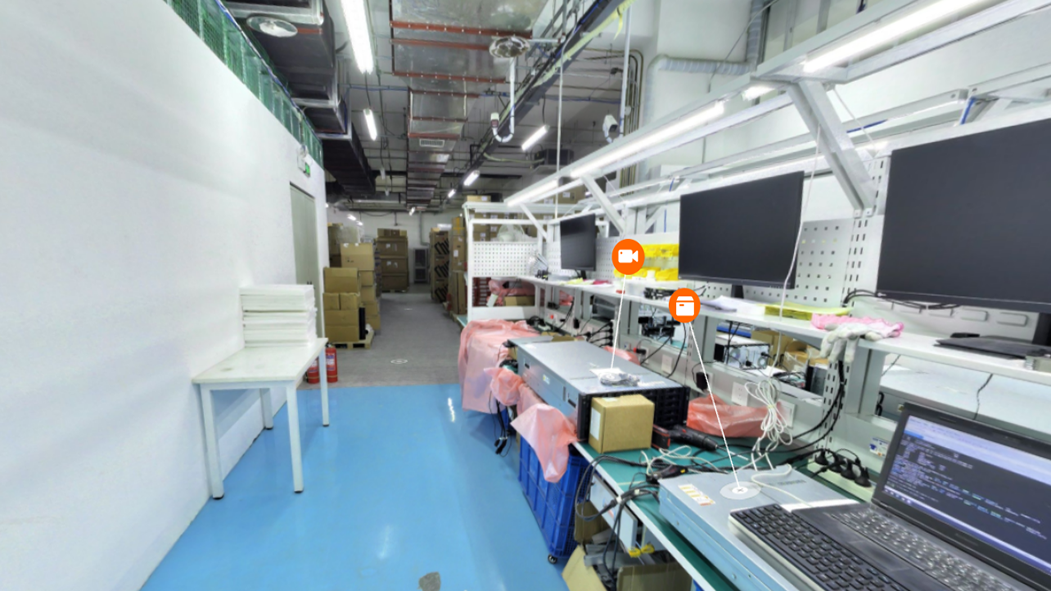
Navigating international trade barriers and compliance requirements is vital for global infrastructure projects. Shenzhen Tiansheng Cloud Technology (Nexa Technology) addresses these logistics and regulatory priorities through:
Technical and post-sale documentation is supported in English, Spanish, Russian, French, and Portuguese, ensuring clear communication regarding configuration guidelines and installation procedures.
Hardware configurations undergo thorough diagnostic testing prior to shipment. This includes components audits, firmware updates, and stress tests under load to verify hardware stability.
Partnering with verified payment services and logistics providers, backed by Trade Assurance, protects orders from placement through final transit.
As data processing demands continue to grow, enterprise systems are evolving to match next-generation architectures. Key technological developments driving the roadmap through 2030 include:
With rack power requirements climbing beyond 40 kW, traditional air cooling is increasingly supplemented by direct-to-chip liquid cooling systems. OEM/ODM designs are incorporating fluid distribution manifolds and dry-disconnect couplers into standard rack form factors to support higher thermal dissipation.
Future system form factors will leverage PCIe Gen 6 and CXL (Compute Express Link) protocols. These standards increase data throughput between CPUs, custom memory extensions, and GPU accelerators, helping to minimize bottlenecks in distributed clusters.
 Nexa AI Server