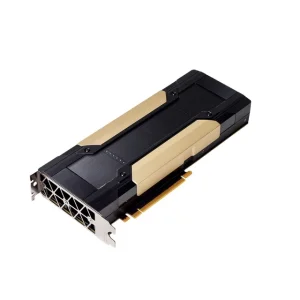
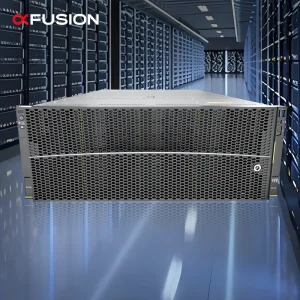
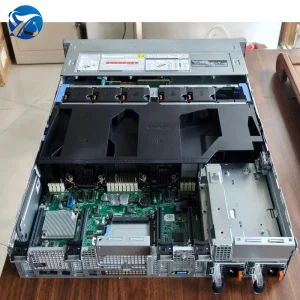
Deploying bleeding-edge compute infrastructure paired with enterprise data center network architecture.
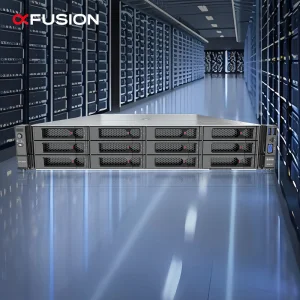
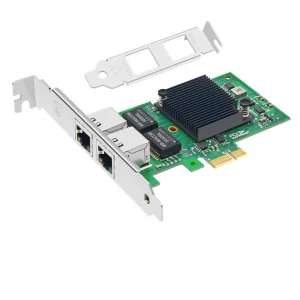
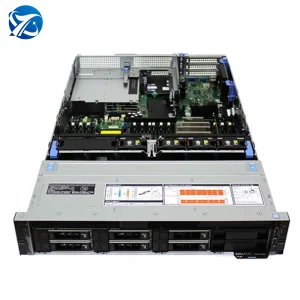
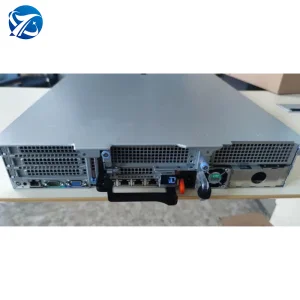
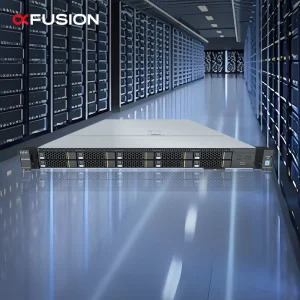
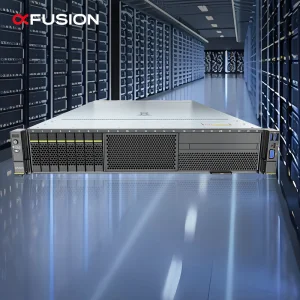
In the modern era of hyperscale cloud deployments, generative AI clusters, and complex edge applications, the humble network switch has evolved from a simple data router into the absolute backbone of compute cluster efficiency. Without low-latency, high-backplane capacity network switching, even the fastest dual-socket rackmount servers and dense GPU computing nodes suffer catastrophic packet bottlenecks, causing massive drops in overall processing throughput.
Evaluating a top-tier network switch supplier is no longer a simple exercise in comparing unit costs. Hardware architects must investigate the intersection of physical design capabilities, global standardizations, manufacturing reliability, and robust local-support mechanisms. This strategic industry analysis provides an exhaustive guide to selecting the premier suppliers globally while evaluating the technological shifts defining the segment.
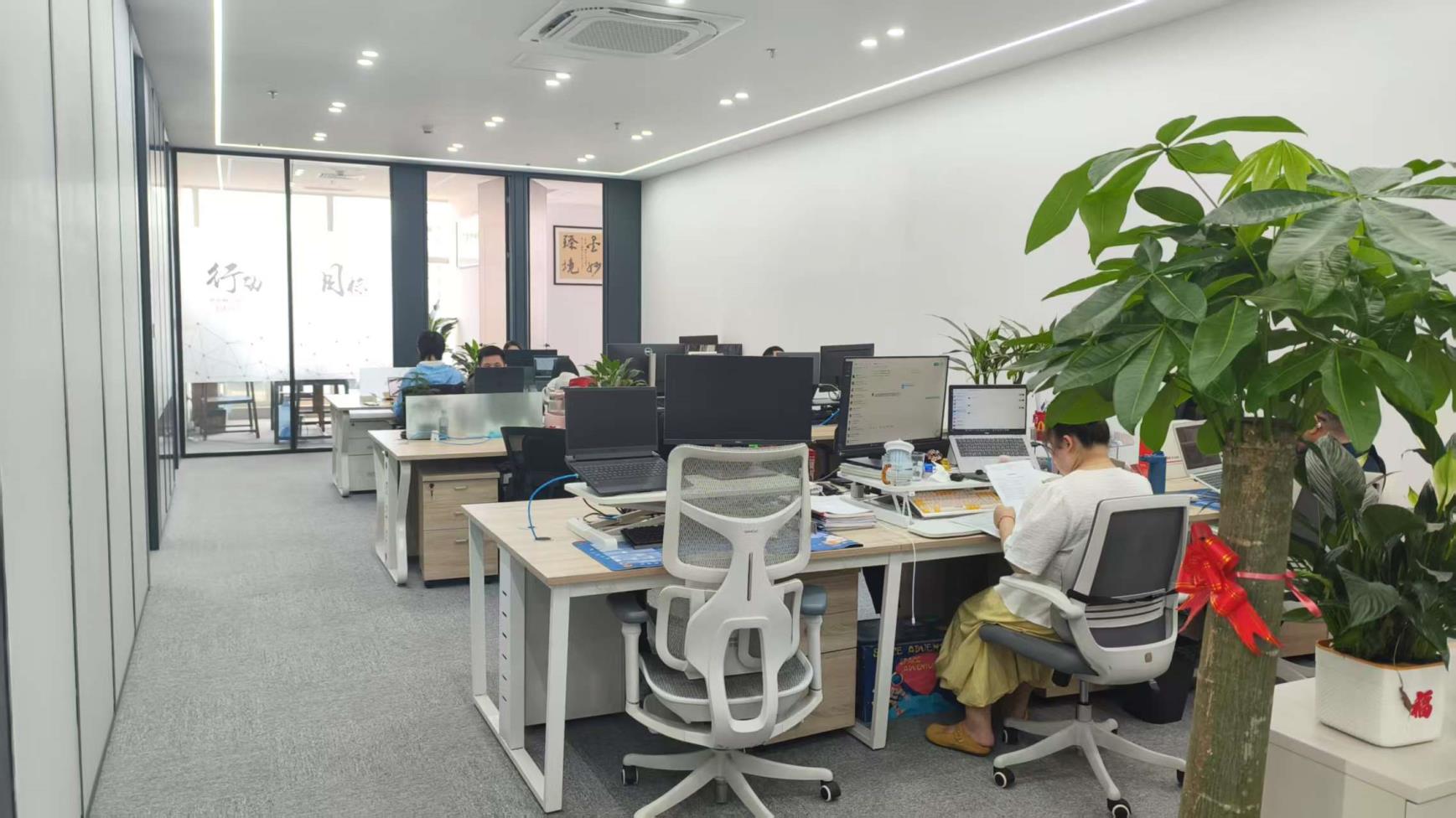
What modern infrastructure procurement teams demand to sustain mission-critical environments.
Modern workloads demand zero-packet-drop architectures. Purchasing teams seek core switches supporting 400G and 800G ports to link server farms, preventing bottlenecks in heavy AI model weights processing.
Managed switches must operate effortlessly within software-defined networking (SDN) templates, offering native support for OpenFlow, VXLAN, BGP-EVPN, and open networking initiatives like SONiC.
For edge and enterprise campus environments, Power over Ethernet (PoE, PoE+, PoE++) budgets must exceed 370W to 740W per switch unit, powering dense IoT, high-definition IP cameras, and Wi-Fi 7 APs.
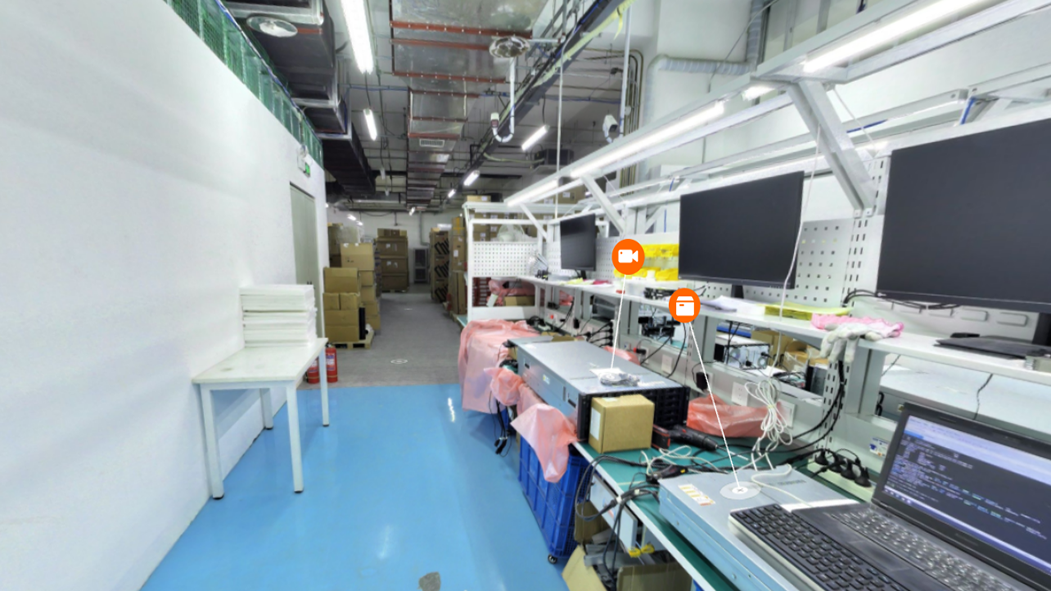
China, and specifically the Shenzhen Electronics Manufacturing Corridor, houses the world's most dense cluster of network hardware component vendors, testing laboratories, and custom fabrication assembly lines. This highly localized ecosystem enables suppliers to procure high-quality ASICs, transceivers, network printed circuit boards (PCBs), and power delivery units with unmatched lead times.
Leveraging specialized manufacturers in this hub enables rapid prototype configurations, customized port layout schemes, and seamless integration of third-party network operating systems. Moreover, direct sourcing mitigates multi-tiered distribution margins, offering global businesses substantial savings while delivering reliable, high-grade hardware.
Nexa Technology Co., Ltd.
Here is a summary of the store information for Shenzhen Tiansheng Cloud Technology Co., Ltd. in English:
Shenzhen Tiansheng Cloud Technology Co., Ltd. is a hardware supplier operating on Alibaba.com, specializing in the distribution and configuration of enterprise-grade server solutions. Established in late 2024, the company focuses on providing high-performance computing hardware to a global clientele, including wholesalers, brand businesses, and engineers.
The company primarily deals in refurbished and configured rack servers from major industry brands. Their product portfolio includes:
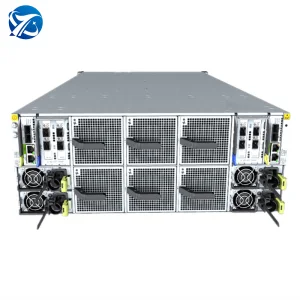
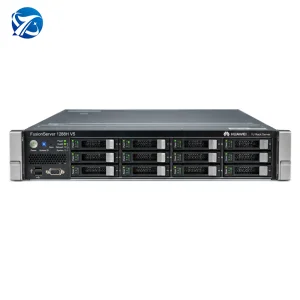
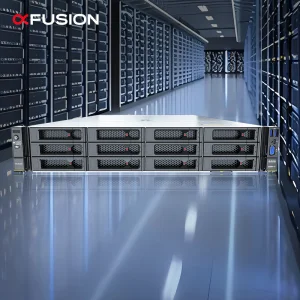
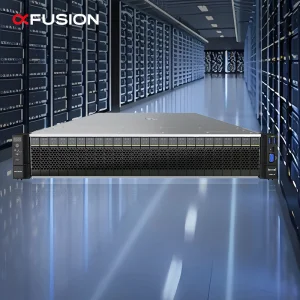
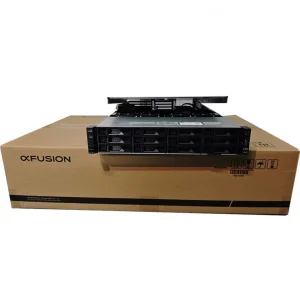
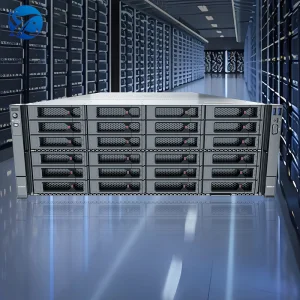
Enterprise Servers: A wide range of Dell PowerEdge models (such as the R750, R740, and R760 series) and FusionServer (xFusion) series.
Specialized Solutions: While marketed as "AI" or "Deep Learning" servers, these products are typically high-capacity rack servers that have been configured with additional GPU acceleration cards, expanded memory, and high-speed networking to handle AI training, inference, and high-performance computing (HPC) tasks.
Infrastructure Components: The store also offers server accessories, network switches, and data storage hardware.
Platform Status: The company is a verified supplier on Alibaba.com, audited by Intertek, and offers Trade Assurance to protect buyer transactions.
Service Capabilities: They provide "light customization" services, meaning they can assemble or modify server configurations based on specific customer requirements or provided technical specifications.
Market Reach: Their primary export markets include Eastern Europe, Southeast Asia, and the Middle East.
Customer Support: They maintain an average response time of under 3 hours and offer support in multiple languages, including English, Spanish, Russian, French, and Portuguese.
How verified suppliers ensure safe deployment across international borders.
Navigating different target markets requires strict adherence to technical and environmental parameters. Leading hardware suppliers provide CE, FCC, RoHS, and UL safety certifications to ensure hassle-free custom clearing and safe installation at the target facility.
Integrating trade protection measures, such as Alibaba's Trade Assurance, guarantees escrow protections for cross-border money transfers. This provides buyers with shipment tracking, component verification windows, and structured refund protections.
Enterprise deployments cannot tolerate communication gaps. Reputable vendors offer around-the-clock technical consultancies staffed with English, Spanish, Russian, Portuguese, and French speakers to review hardware configuration compatibility tables prior to purchasing.
How high-performance switching hardware functions across various modern target applications.
| Application Scenario | Network Demands | Recommended Switch Architecture | Typical Configuration Details |
|---|---|---|---|
| Generative AI Training Clusters | Ultra-low latency, lossless transmission, massive backplane throughput | Leaf-Spine Architecture with RoCE v2 Support | 100G/400G QSFP56 Ports, Congestion Control Mechanisms (PFC, ECN) |
| Enterprise Edge Office Deployments | High density IoT connections, camera power delivery, VLAN routing | Managed L2/L3 PoE+ Access Layer Switches | 24 or 48 Gigabit RJ45 Ports, up to 740W total PoE power budget |
| Regional Hybrid Cloud Data Center | High VM density, virtualization bridging, storage fabric linking | ToR (Top-of-Rack) 10G/25G SFP+ Aggregation Switches | 10G SFP+ fiber ports for uplink connection with 40G/100G stack ports |
| Industrial Smart Automation Plants | Extreme temperature tolerances, dust protection, rugged enclosures | Industrial Hardened DIN-Rail Switches | Fanless design, IP30/IP40 protection, redundant DC power terminal blocks |
As software-defined networks mature, the networking hardware arena is witnessing a strong convergence of computing, virtualization, and switching technologies. Let's analyze the three major pillars guiding development over the next few years:
First, the shift from 100G to 400G and 800G is accelerating rapidly inside data centers to cope with high-intensity machine learning computing models like DeepSeek and GPT variations. This transition is forcing manufacturers to optimize silicon heat dissipation and adopt optical transceiver upgrades like Co-Packaged Optics (CPO) to minimize thermal footprints.
Second, Open Networking continues to capture market share. Enterprises increasingly demand bare-metal hardware compatibility, allowing them to install proprietary or community-maintained network operating systems. This decoupling mitigates expensive proprietary software licenses and avoids vendor lock-in issues.
Get answers to critical technical questions surrounding enterprise switch procurement.
Scalable infrastructure, server peripherals, and dense storage processing modules.
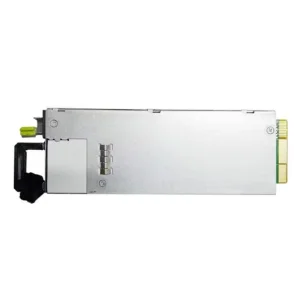
 Nexa AI Server