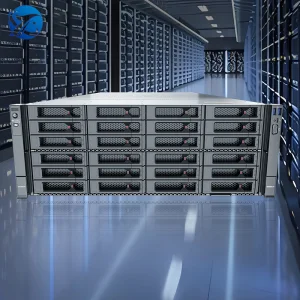
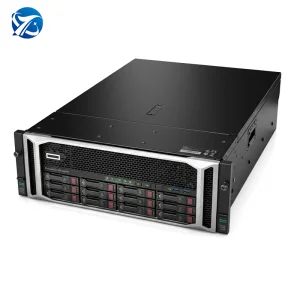
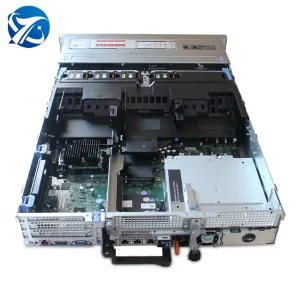
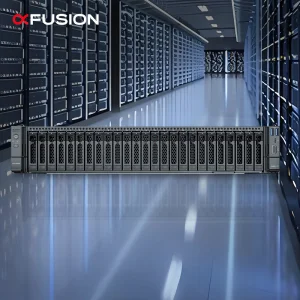
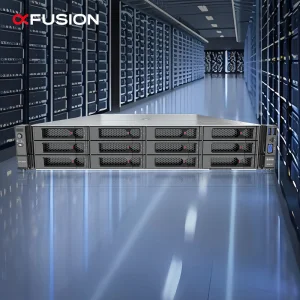
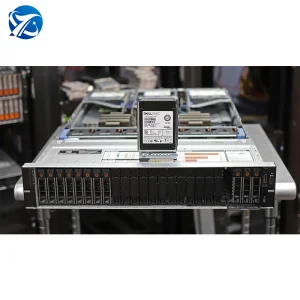
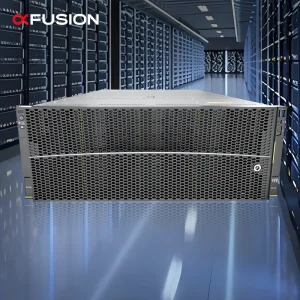
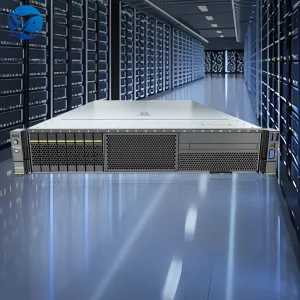
High-throughput processing nodes customized by Shenzhen Tiansheng Cloud Technology for heavy video transcoding, SFU routing, and real-time WebRTC communications.
The landscape of global business collaboration has shifted fundamentally from physical boardrooms to decentralized hybrid cloud environments. Today's video conferencing solutions require unprecedented levels of computing power to process, transcode, and route multi-party HD video feeds with sub-100ms latency. At the core of this revolution is the need for highly scalable hardware infrastructure capable of supporting protocols such as WebRTC, SIP, and H.323.
Whether deploying Selective Forwarding Units (SFU) or Multipoint Control Units (MCU), global enterprises demand resilient, rack-mounted hardware servers to prevent frame drops, packet loss, and service downtime. China's leading infrastructure integrators, including Shenzhen Tiansheng Cloud Technology Co., Ltd. (operating under the global brand Nexa Technology Co., Ltd.), provide the essential custom server hardware needed to support high-density concurrent streams for international conferencing platforms.
Modern unified communications require backend configurations engineered specifically for digital signal processing (DSP), network bandwidth throttling, and machine learning workloads. Standard office servers fall short; platform operators instead deploy multi-socket, high-memory capacity machines capable of handling hundreds of concurrent video pipelines simultaneously.
Measurable quality benchmarks and supply logistics managed by Shenzhen Tiansheng Cloud Technology (Nexa Technology).
Deploying high-performance server hardware configurations to resolve regional latency, security, and rendering problems.
Clinical telemedicine requires lossless, ultra-high-definition video streaming to allow specialists to make accurate visual assessments remotely. By deploying local servers configured with dedicated storage controllers (like the LSI 9560-16i Array Card), healthcare systems can record, archive, and instantly replay multi-source medical feeds without drops in quality or compliance issues.
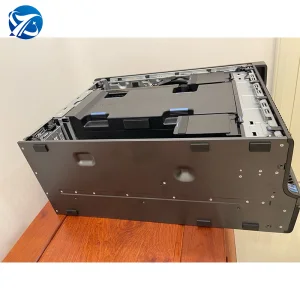
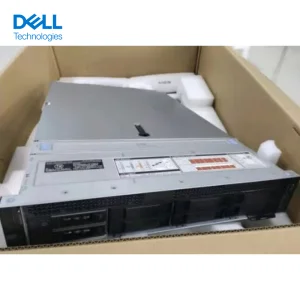
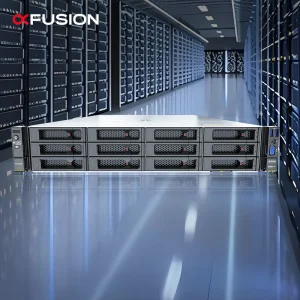
Smart education platforms leverage real-time transcription, automated translations, and virtual whiteboard segmentation. Utilizing powerful multi-socket hardware nodes such as the xFusion 2288H V7 or Dell PowerEdge R960 gives educators the raw CPU capacity to host thousands of students in a single virtual lecture room with zero lag.
For multinational corporations and financial institutions, data residency laws require absolute privacy. Hardware like custom rack servers allows companies to host their private video conferencing platforms completely on-premises behind their firewalls, protecting sensitive intellectual property and strictly satisfying global data privacy regulations.
The production of video conferencing endpoints, cameras, and backend server infrastructure requires a robust, agile supply network. Located in Shenzhen, the silicon heart of global technology manufacturing, Nexa Technology Co., Ltd. (Shenzhen Tiansheng Cloud Technology) utilizes a dense network of raw component suppliers, certified assembly plants, and testing organizations.
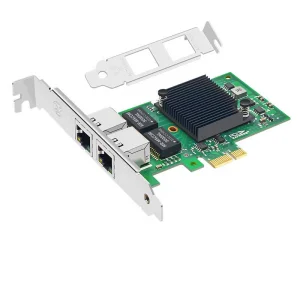
This concentrated ecosystem guarantees that customized server chassis configurations, high-frequency processors, enterprise memory modules, and specialized network cards are assembled, QA-tested, and shipped with minimal lead times. For global platforms deploying infrastructure in Eastern Europe, Southeast Asia, or the Middle East, this supply chain agility directly translates to shorter time-to-market.
The video conferencing industry is moving rapidly toward AI-optimized workflows. The integration of large language models (LLMs) like DeepSeek R1 directly into live video platforms allows for real-time translation, automated transcript summarizing, and visual enhancements. As platforms shift from standard cloud hosting to customized server infrastructure, GPU-optimized server racks (such as the xFusion G5500 V7 Multi-GPU AI Server) are becoming the standard infrastructure blueprint for next-generation video conferencing platforms.
| Infrastructure Milestone | Standard Configuration | Target Performance Metric |
|---|---|---|
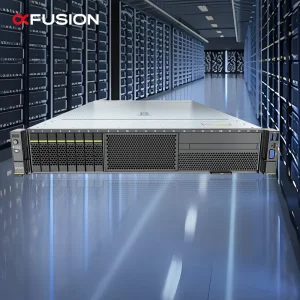
| High-Density Multi-Party SFU | 2U Rack Server (e.g., FusionServer 2288H V7) | Supports up to 10,000 concurrent 1080p feeds |
| On-Premises Recording Clusters | High-Capacity Storage NAS + LSI Array Controller | 99.999% data availability with RAID 6 protection |
| Real-Time AI Voice Translation | GPU Accelerated Node (e.g., G5500 V7 Server) | Sub-50ms latency speech-to-text inference pipeline |
| Low-Latency Edge Distribution | 1U High-Performance Node (e.g., PowerEdge R350) | Decentralized routing at regional border gateways |
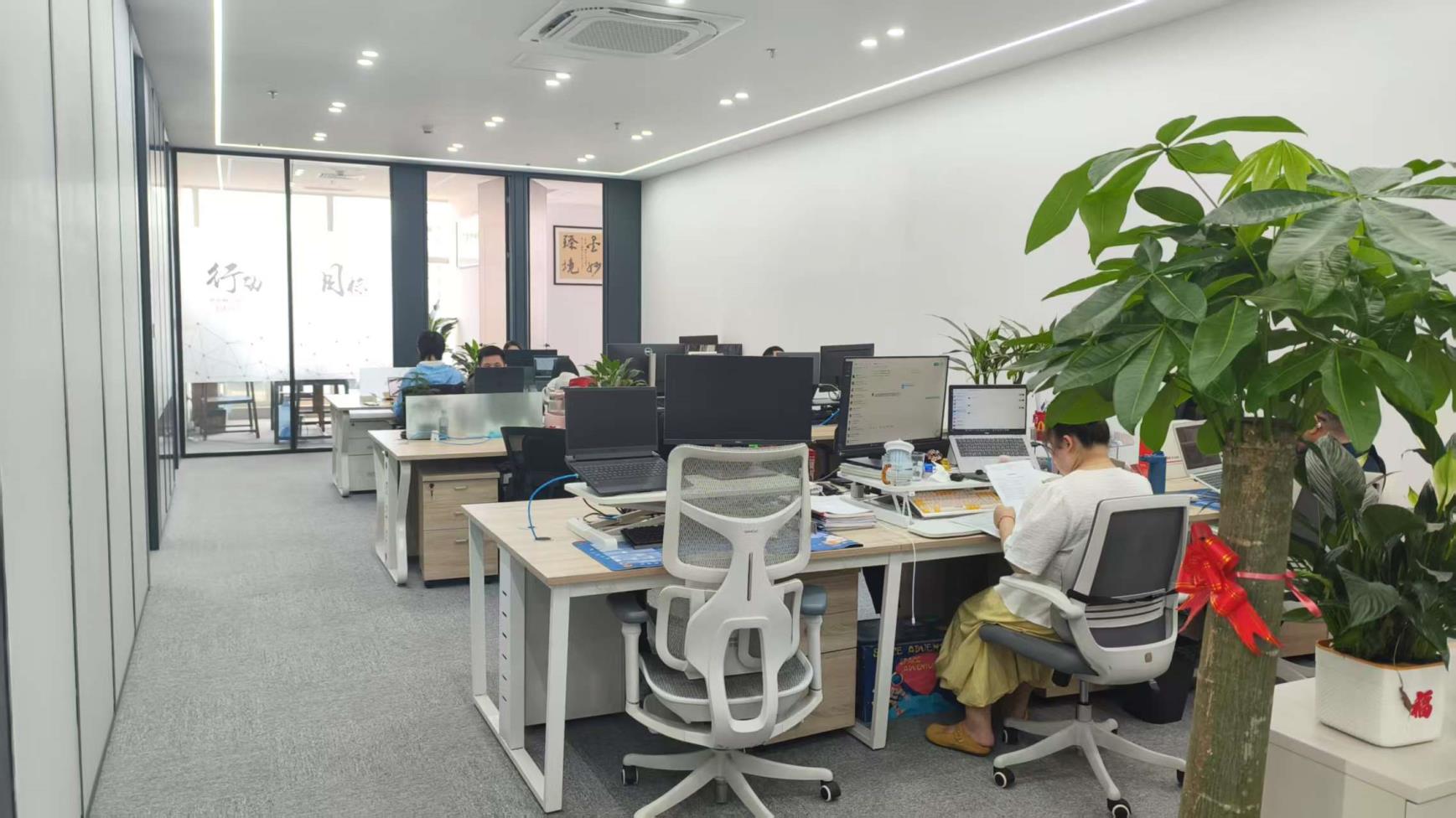
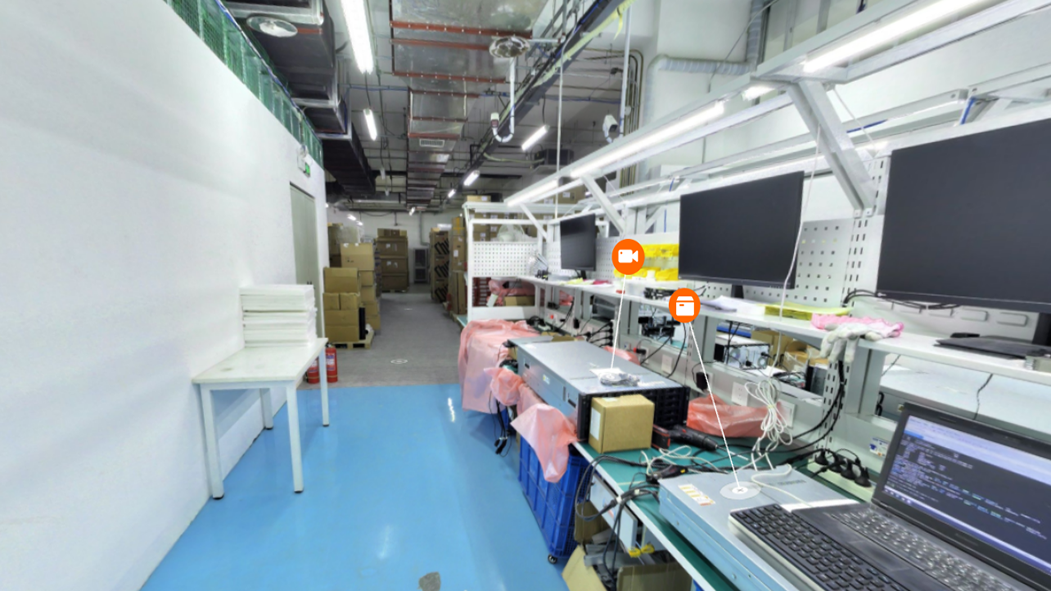
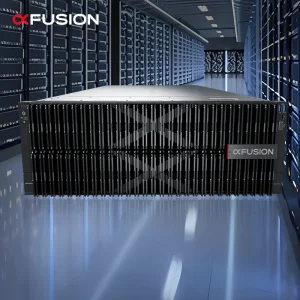
When deploying high-value enterprise servers to run global video conferencing systems, compliance and supply verification are essential. As an audited supplier verified by Intertek, Shenzhen Tiansheng Cloud Technology Co., Ltd. ensures that every piece of hardware—from Dell PowerEdge units to refurbished xFusion multi-socket computing nodes—meets international electronics and safety directives.
Through Alibaba Trade Assurance, global buyers are protected throughout the entire procurement pipeline. Furthermore, custom hardware configuration requires active post-sales support. With an average response time of under 3 hours, Nexa Technology maintains an active network of hardware specialists conversant in English, Spanish, Russian, French, and Portuguese.
Whether a customer needs a specialized assembly layout, particular RAM upgrades, or a reliable RAID configuration with the LSI 9560-16i controller card, our engineering team provides tailored, light-customization services before dispatch.
Established in late 2024, Shenzhen Tiansheng Cloud Technology Co., Ltd. focuses on providing enterprise computing hardware to brand businesses, wholesale suppliers, and system integrators worldwide, specializing in robust server infrastructure for heavy unified communications workloads.
Expert answers regarding video conferencing hardware infrastructure, hosting environments, and server optimization.
Configure your deployment with these enterprise systems, designed for storage optimization, high memory workloads, and video routing nodes.
 Nexa AI Server